Sign one: the water bill
A rising water bill with no obvious change in use is one of the clearest signs of a leak. Compare the bill with the same months last year, allowing for changes in household size, guests or season. If it rose for no reason, look for a leak.
But the bill alone isn’t enough, because some leaks don’t pass through the meter — rain coming through the roof, or a leak from a rooftop tank downstream of the meter in some installations.
The meter test: a simple check you can do
A simple test you can run without any tools:
- Turn everything off
Make sure all taps, cisterns, washing machines and evaporative coolers are off and nobody is using water.
- Record the reading
Photograph the water meter or write down its reading exactly.
- Wait
Leave the house with no water use for long enough — an hour or two, or overnight.
- Compare
If the reading changed with no use, there’s a leak somewhere after the meter.
Note that rooftop and ground tanks may refill after use and change the reading, so test when they’re full, or close the tank valve if you know where it is.
Signs in ceilings and walls
- Yellow or brown ceiling stains, especially under bathrooms or the roof, that may grow after use or rain.
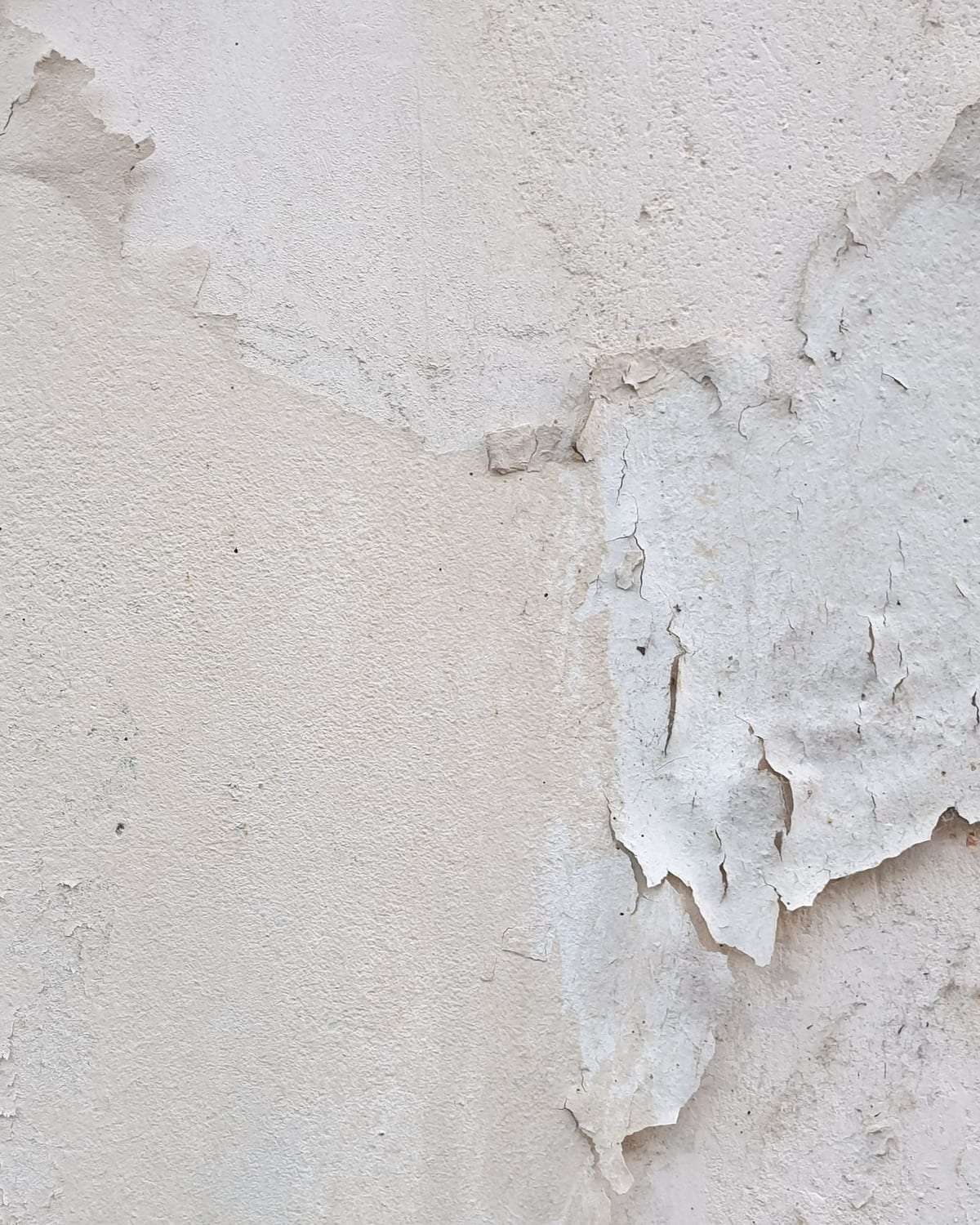
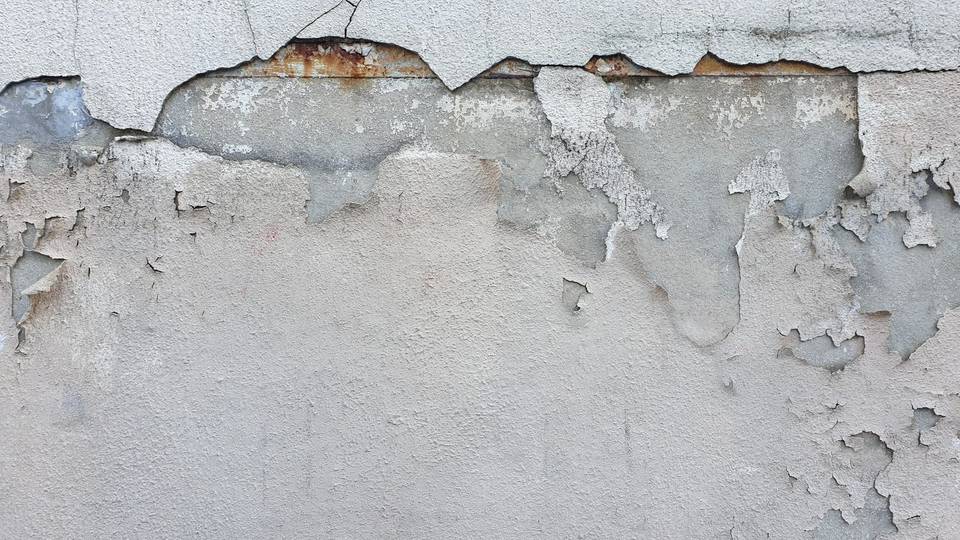
- Peeling or blistering paint on a wall, especially next to a bathroom or kitchen.
- White salts at the base of walls or around stains.
- Crumbling plaster or pieces falling off.
- Mould or black spots in corners despite ventilation.
- Rust showing through the ceiling in advanced cases — a sign that needs an engineer.
Signs in floors
Tiles that sound hollow when tapped, or that start moving or cracking for no clear reason, may sit over a leak that has weakened the adhesive beneath. So may grout that stays damp or dark long after cleaning.
With timber or parquet floors, swelling, cupping or gaps between boards are signs of moisture below. With carpet, a damp smell or patches that won’t dry.
Other signs not to ignore
- The sound of running water in walls or floors with the taps off.
- A persistent damp or musty smell in a room or cupboard.
- A sudden drop in water pressure.
- Damp cabinets under basins, or swollen wood.
- Patches of garden greener than the rest, or ground that’s always wet, may mean a leak in an outside pipe.
- Water coming through the ceiling of the neighbour below — usually a leak from your bathroom or kitchen.
A leak, condensation or salts?
Not all damp is a leak. Condensation happens when humid air meets a cold surface — a wall behind an AC unit, or a bathroom ceiling without ventilation — so water appears on the surface and causes mould. The fix is ventilation and insulation, not new pipes.
Salts appearing at the base of walls may come from moisture rising from the ground, especially in coastal cities such as Jeddah, Dammam and Qatif. Treating that differs from fixing a leaking pipe.
So a correct diagnosis before repair saves a lot: you don’t break a wall looking for a pipe when the problem is condensation from poor ventilation.
When to call a leak detection company
If the meter test confirms a leak and you can’t find the source, stains appear in ceilings or walls, or the neighbour below complains, it’s time for technical detection. Leak detection companies use instruments that help locate a leak without extensive breaking — acoustic listening, thermal imaging, moisture meters and pipe pressure tests.
Precise detection reduces breaking: instead of opening the whole bathroom, opening a small area over the leak may be enough. Ask the company which instruments it uses, and for a written report of the result, the leak’s location and its cause.
After detection: the right repair
Fixing the pipe or the waterproofing is the first step, but don’t paint the wall or re-tile straight away. Let the area dry completely — paint over a damp wall peels again. Drying can take longer in humid cities.
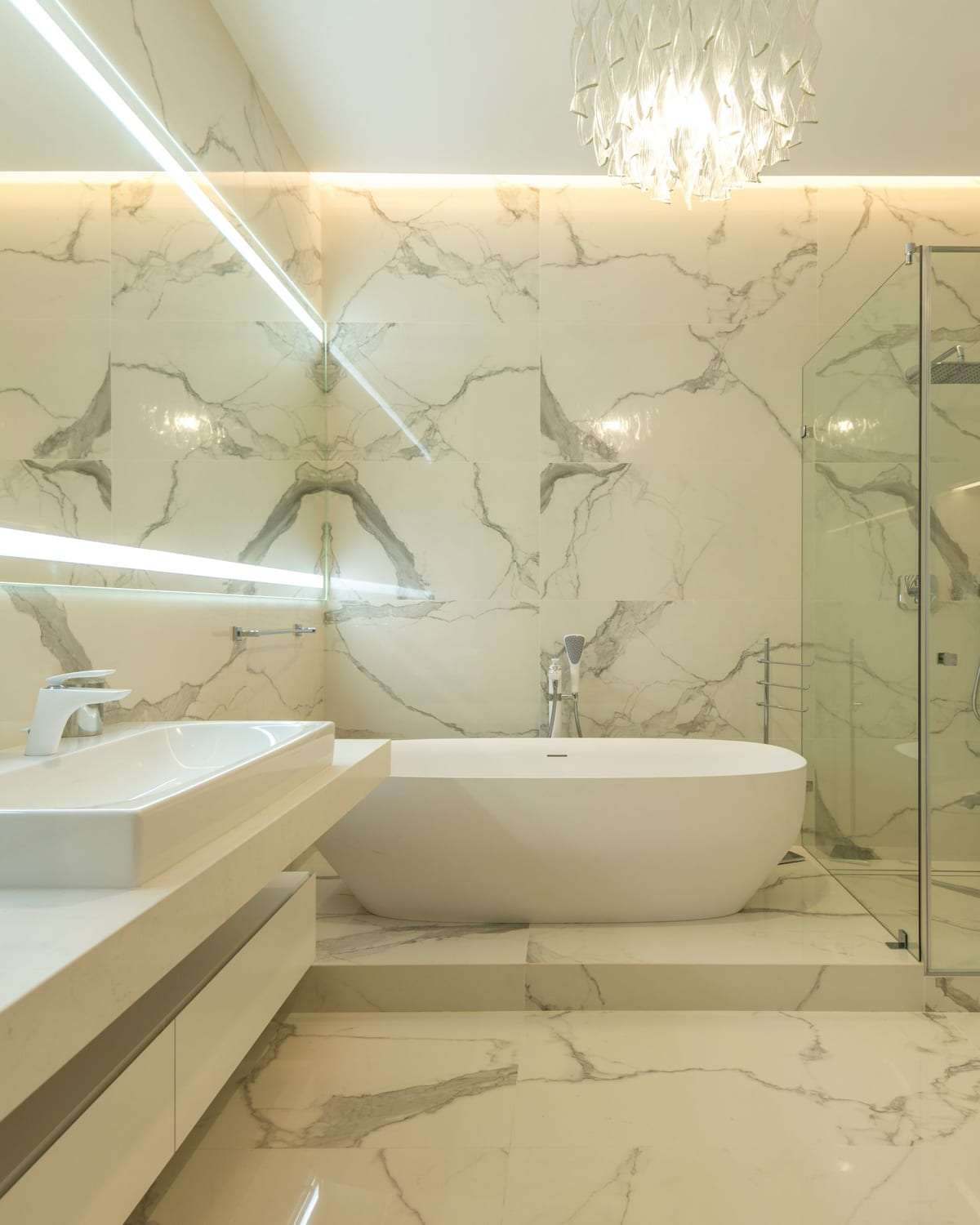
If the leak comes from an old bathroom with failed waterproofing, fixing one point may only be temporary; the lasting fix is renovating the bathroom with new waterproofing. Read bathroom renovation: why waterproofing comes first. If it comes from the roof, read roof waterproofing for the Saudi summer.
Where leaks usually start
In leak detection companies’ experience, some places come up again and again: pipe joints behind basins and traps, hot-water lines that expand and contract with heat, the floor waterproofing of old bathrooms, drain outlets in bathrooms and on roofs, the joint between the roof and its walls, and AC and tank bases on the roof.
In older homes, old metal pipes corrode from the inside over the years, so small leaks appear in several places. Then renewing the pipework may be cheaper in the long run than fixing each leak separately — especially if you’re planning to renovate the bathroom or kitchen.
In flats and apartment buildings
In apartment buildings a leak in your ceiling may come from the flat above, a shared drain stack or the roof. Document the problem with photos and dates, and contact the neighbour, landlord or owners’ association calmly. Technical detection identifies the source, so each side knows its responsibility.
If the leak is from you to the neighbour, fix it promptly — delay increases the damage for both of you.
FAQ
Can a leak be found without breaking?
In many cases instruments locate it precisely, and opening is then limited to the area over the leak.
Does a higher bill always mean a leak?
No — it may be higher use. Test the meter first.
Should I paint over the stain to hide it?
No — the stain comes back and the damage grows behind it. Fix the source first.
How long does a wall take to dry after the repair?
It depends on the amount of moisture, the climate and ventilation, and can be longer in humid cities. Ask the company how it confirms the wall is dry.
Should I close the main valve if I find a leak?
If the leak is large or near electrics, yes, until the technician arrives — and know where the valve is in advance.
Is a leak an electrical hazard?
It can be if water reaches wiring or the board — switch off power to the area and call a qualified electrician.
Does the warranty cover leaks after a renovation?
It depends on the contract — ask for the warranty on waterproofing and leaks in writing.
This guide is general information, not engineering or legal advice. Any structural change needs a qualified engineer and a municipal permit, and electrical, plumbing and gas work must be done by qualified, licensed technicians.