Why do bathrooms leak?
The most common causes of bathroom leaks: failed or missing waterproofing under the tiles, cracked grout that lets water through slowly, old corroded pipes behind the walls, loose drain connections under the basin or WC, and a floor without correct falls where water collects.
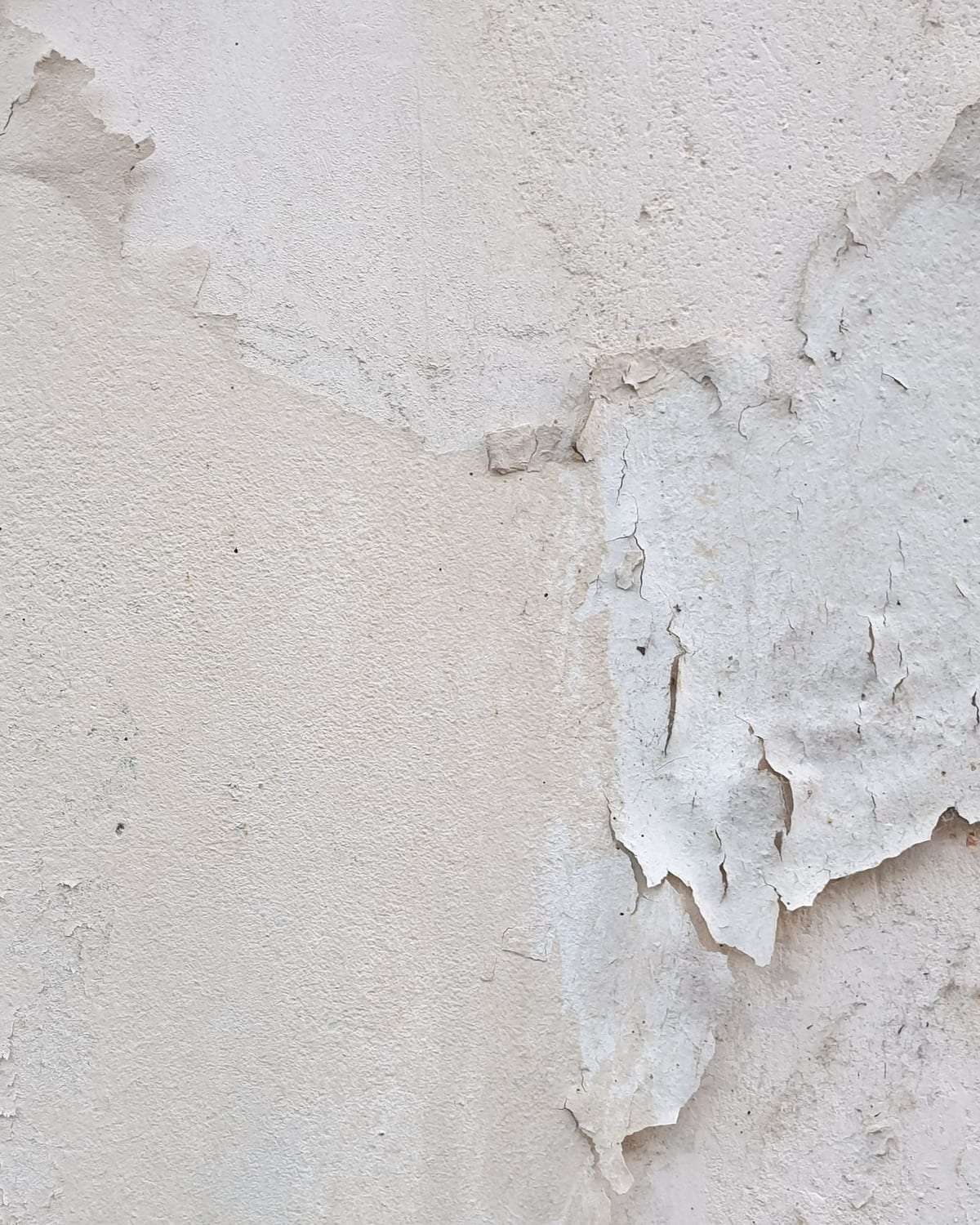
The trouble is that these leaks are slow and hidden, so you only find them after the ceiling below is damaged, the next wall swells, or a damp smell appears. That makes a bathroom renovation a rare chance to fix what’s under the tiles, because opening it again is costly and disruptive.
The right order of work
In a full bathroom renovation, work usually runs in this order:
- Strip-out and inspection
Remove old tiles and fittings, then inspect the floor, walls and visible services.
- Services
Replace old or corroded water and drain pipes, and fix the positions of the new fittings precisely.
- Falls
Prepare the floor with a correct fall to the drain so water doesn’t collect in corners.
- Waterproofing
A waterproofing layer over the whole floor, carried up the walls, and higher in the shower area.
- Water test
Flood the waterproofed floor for long enough and confirm there’s no leak before tiling.
- Tiles and finishing
Lay tiles with suitable joints, then sanitaryware, accessories and lighting.
If a company proposes tiling straight over the old tiles without inspection or waterproofing, ask why — and what warranty covers leaks.
Waterproofing: the details that make the difference
Good waterproofing isn’t just a layer on the floor. It must rise up the walls to a suitable height, and much higher in the shower area that water hits directly. It must be detailed carefully around drain outlets, around pipes coming out of the wall, and in the corners between floor and walls — the usual weak points.
Ask the company: what type of waterproofing? How many coats? Up to what height on the walls? How are corners and drain outlets treated? How long is the water test? Ask to attend the test, or see photos of it, before tiling starts.
Services: a chance that won’t come again
If the house is old, the pipes are an old type, or there have been leaks before, replace the services during the renovation. Replacing them after new tiles means breaking them. Ask for photos of the new services before the walls are closed — they help with any later maintenance.
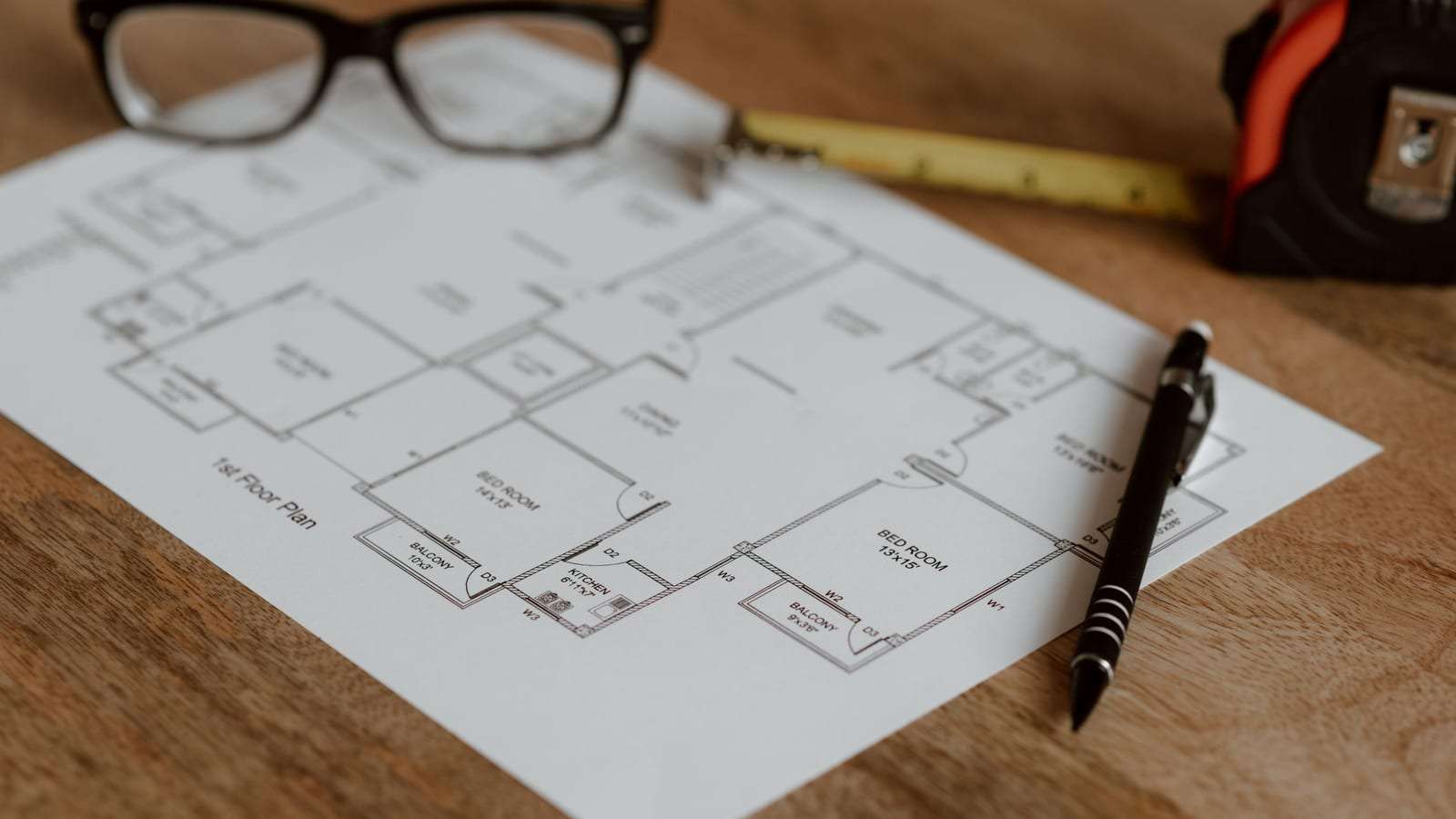
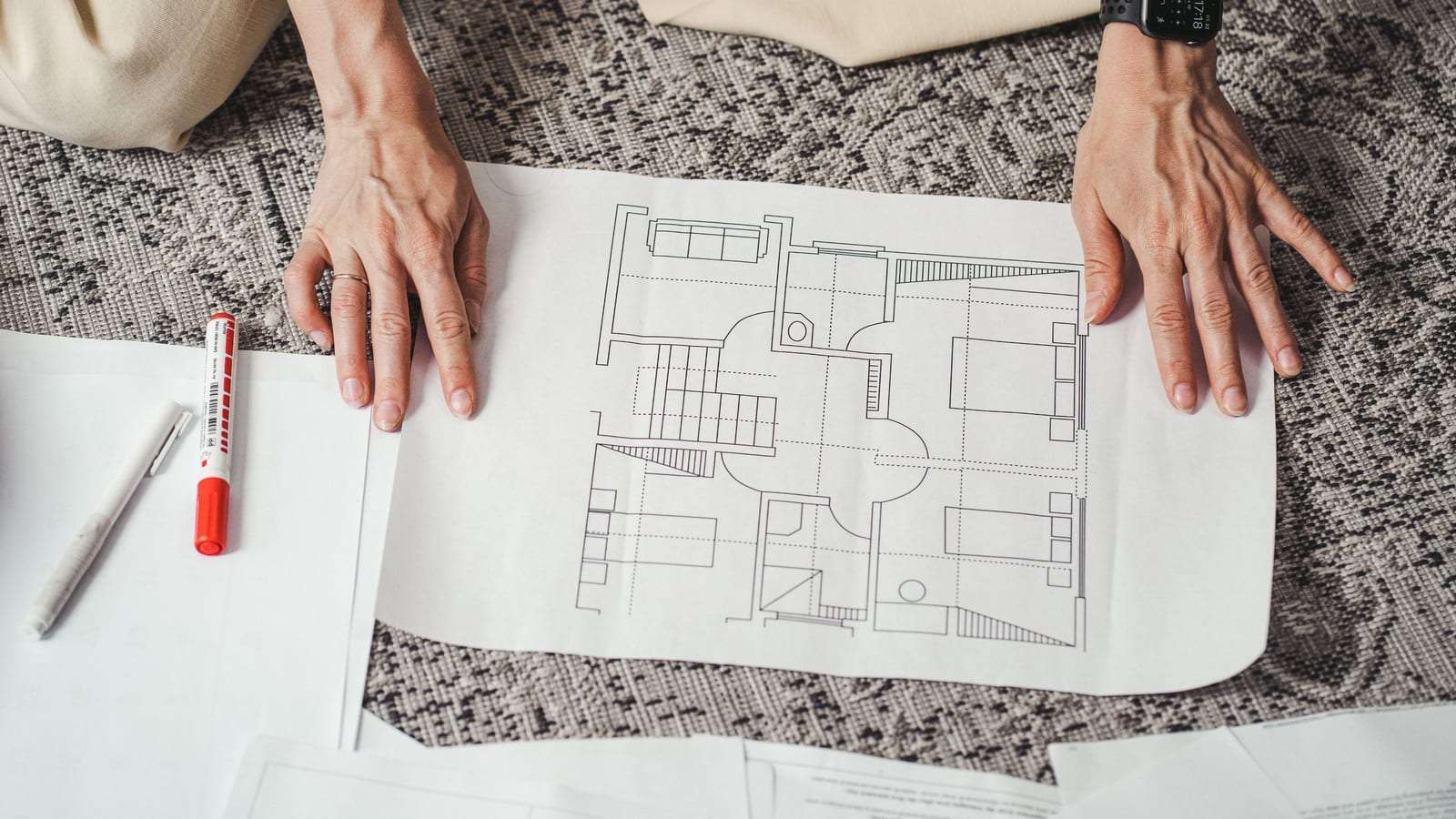
Moving the WC or shower is possible, but it needs a drain with a correct fall and may raise the floor or require more opening up. Ask about it before you decide the new layout.
Electrical work in a bathroom must be safe for wet areas, with suitable protection, kept away from water and done by a qualified electrician.
Ventilation and mould
A bathroom without good ventilation gets mould on its ceiling and corners, especially in humid cities such as Jeddah, Dammam and Jazan. A window alone may not be enough; better is an extractor fan venting outside, sized for the bathroom.
If the bathroom has a gypsum ceiling, choose moisture-resistant boards and leave an access hatch to reach the services above it.
Tiles and sanitaryware
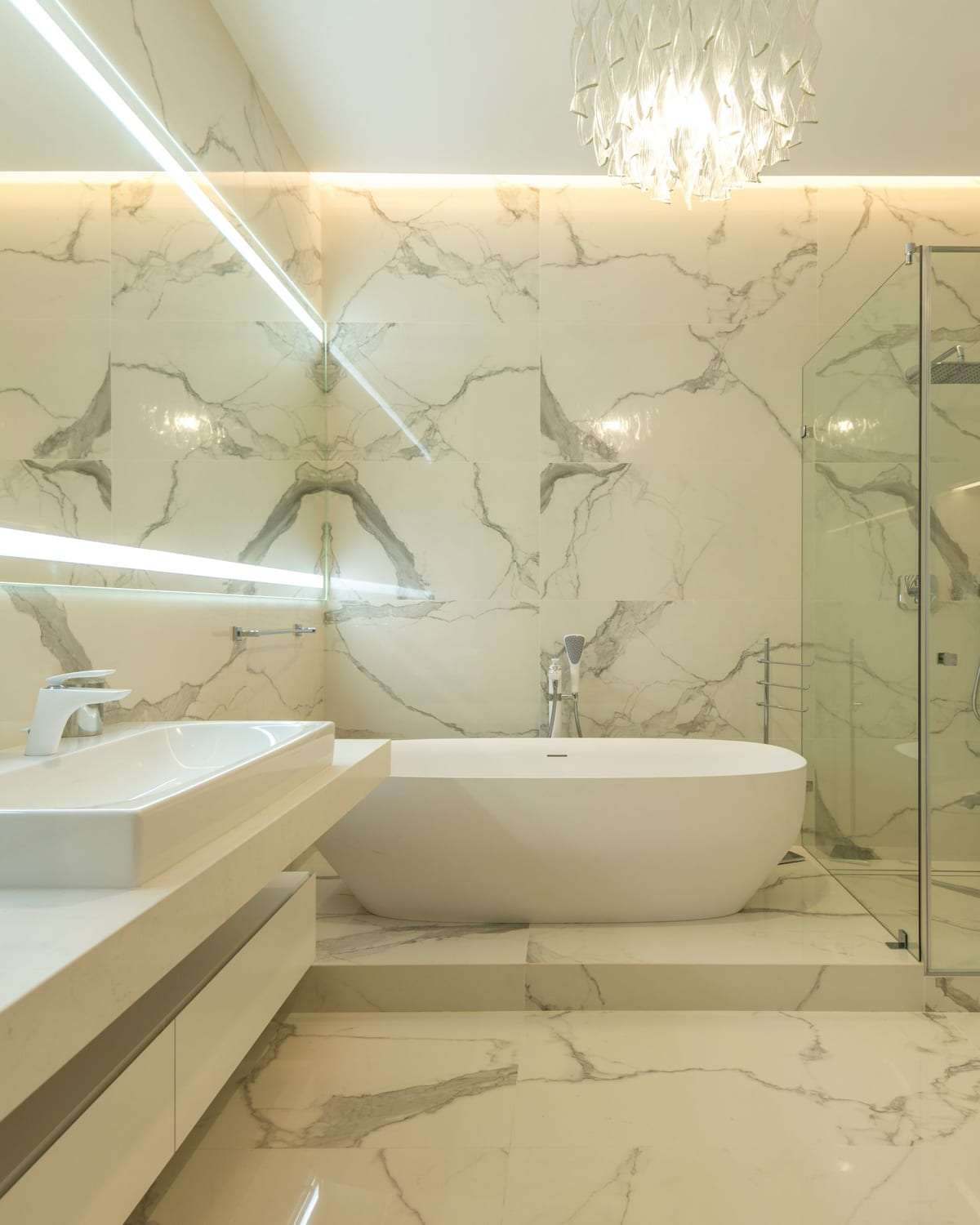
Choose slip-resistant floor tiles, especially with children or older people in the home. Large tiles mean fewer joints but need precise work on the falls. Grout in the shower area needs a water- and mould-resistant material.
With sanitaryware, think about maintenance before looks: are spare parts available? Is the mixer easy to clean of limescale? A wall-hung WC saves space and is easier to clean, but needs a frame behind the wall and an access panel.
Think about who uses the bathroom: older people need a level-access shower, grab rails and a non-slip floor.
Bathrooms in flats and on upper floors
When a bathroom sits above another room or a neighbour’s flat, waterproofing matters more than anything else, because any leak damages what’s below before you notice. In apartment buildings, shared drain stacks may run through the bathroom, so they must not be altered without coordinating with the landlord or owners’ association and knowing where they go.
In a flat, also think about working hours, noise and getting waste out by lift or stairs, and agree these with the company in advance so the work isn’t delayed and there are no disputes with neighbours or building management.
Common bathroom renovation mistakes
- New tiles over old waterproofing: the bathroom looks new and the leak stays.
- Waterproofing that doesn’t rise up the walls: water leaks at the joint between floor and wall.
- No water test: the fault is found after tiling, when it’s expensive to fix.
- Wrong falls: water collects in a corner away from the drain and leaks over time.
- Ignoring ventilation: mould appears on the ceiling months after the renovation.
How to take over the bathroom
Before the final payment, run the shower and basins for a while and watch where the water goes on the floor: straight to the drain, or does it pool? Tap the tiles lightly to hear hollow spots. Open the cabinets under the basins and check they’re dry, and try the fan, lights and sockets.
Get the warranty in writing — especially for waterproofing and leaks — with its duration and what it covers. Read the signs of hidden leaks too.
FAQ
Can new tiles go over the old ones?
Sometimes on walls if the old tiles are sound, but on the floor removal is better so waterproofing and services can be checked — especially if there have been leaks.
How long does a bathroom renovation take?
It depends on scope and includes time for the waterproofing to cure and be tested. Ask for a written timeline and don’t rush the test.
Do I need new waterproofing if there’s no leak?
If the tiles are coming up anyway, new waterproofing is a small investment compared with fixing a leak later.
Do I need approval to renovate a bathroom in a flat?
Interior work usually doesn’t, but anything touching shared drains needs coordinating with the landlord or owners’ association.
What warranty should cover the waterproofing?
It varies between companies and systems — get it in writing with its duration and exactly what it covers.
Can we use the bathroom during the work?
Usually not — arrange another bathroom in the house or a temporary alternative for the whole period.
Do large tiles suit a bathroom floor?
They can, but they need precise work on the falls; smaller tiles make falls easier to form.
This guide is general information, not engineering or legal advice. Any structural change needs a qualified engineer and a municipal permit, and electrical, plumbing and gas work must be done by qualified, licensed technicians.