Suspended ceilings, hidden lighting
Gypsum board and suspended ceilings: plan lighting and air before closing up
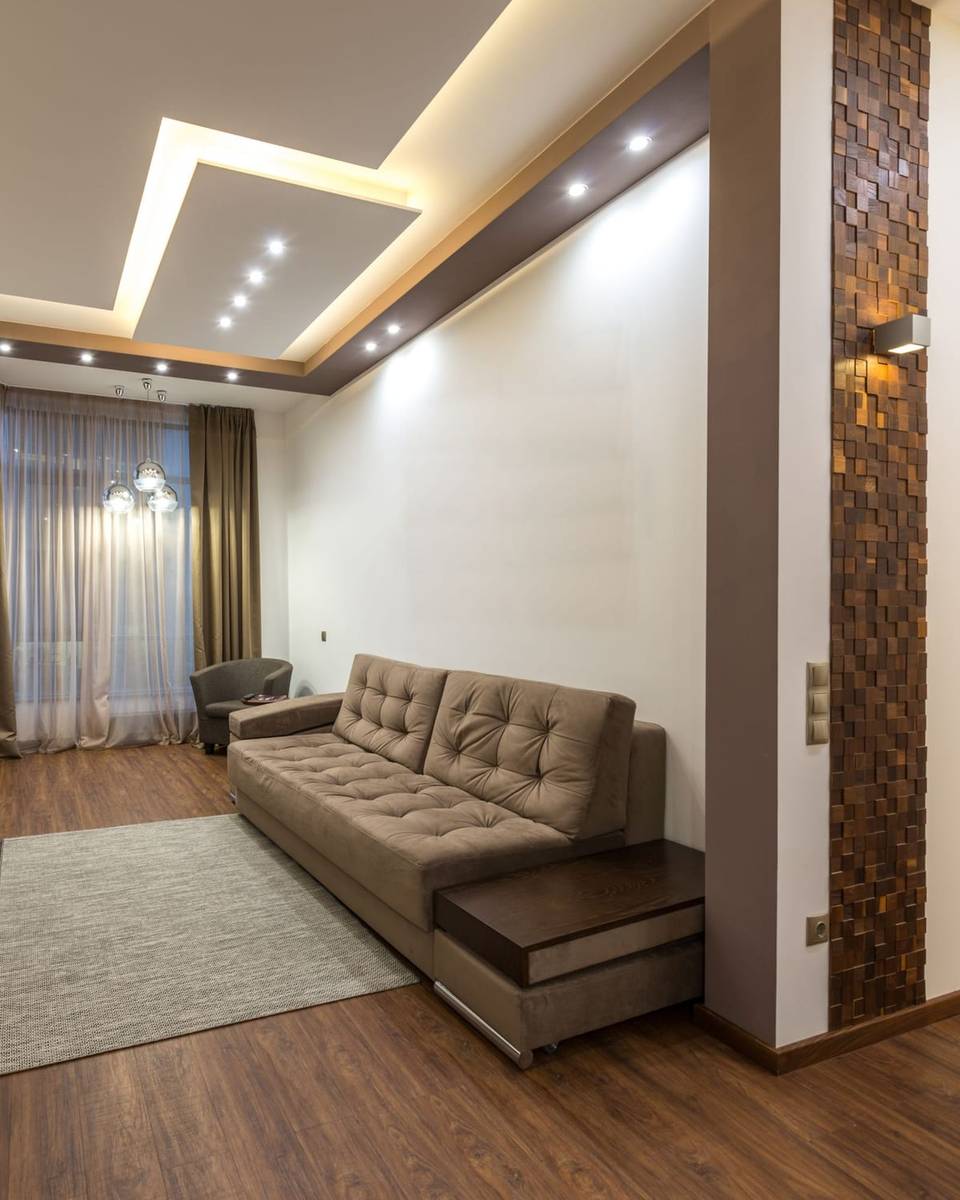
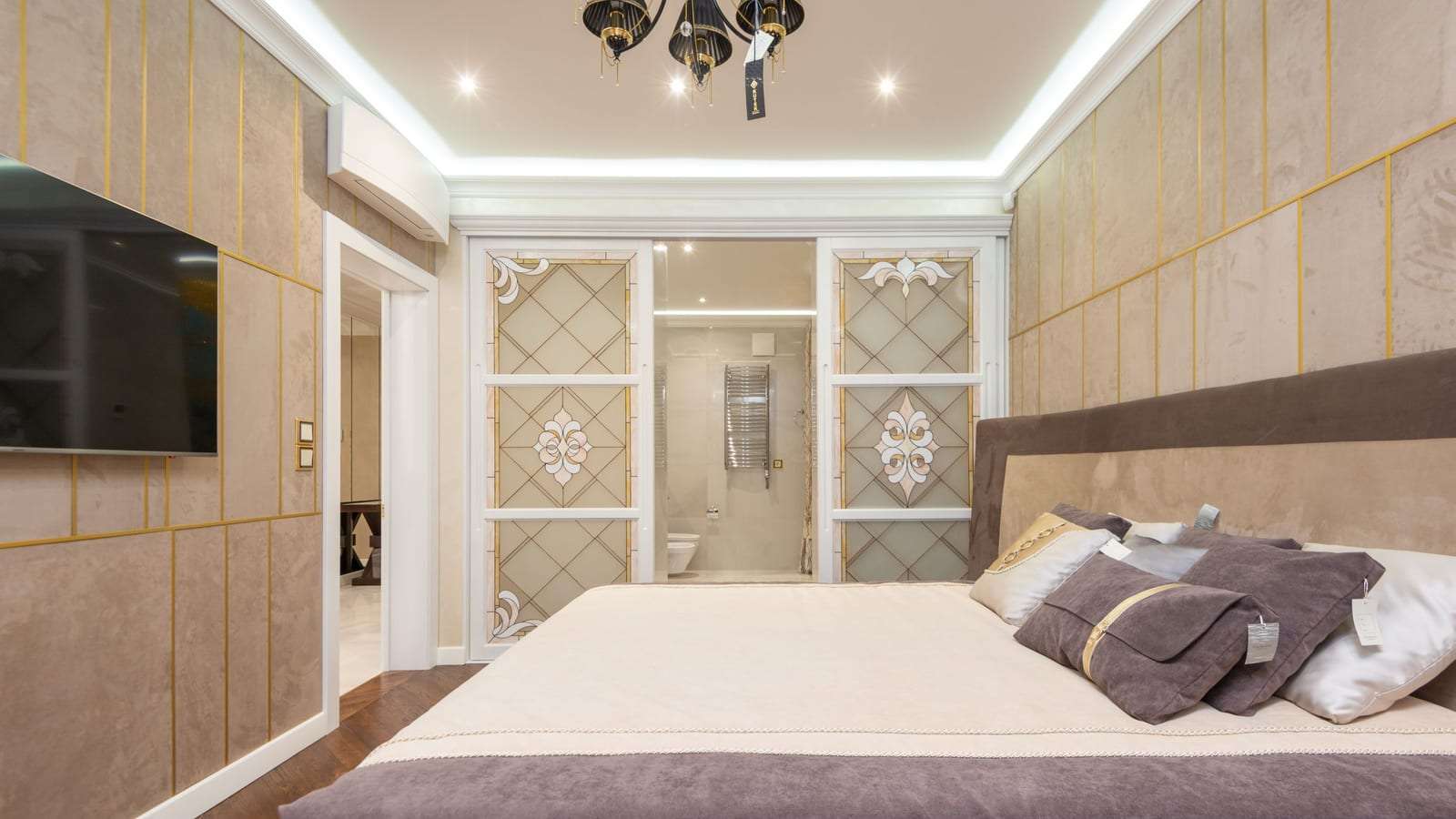
A gypsum ceiling with hidden lighting changes a living room, majlis or bedroom more than almost anything: it hides services, spreads light softly and gives the room depth. But faults show quickly too: cracks along joints, waves in the ceiling, and light that doesn’t reach where it should.
Usually the ceiling was closed before lighting, air outlets and speakers were decided. With SaudiRenovation you describe the rooms and what you want, and your request reaches gypsum and decor companies in your city who contact you with offers.
What does gypsum board work include?
Gypsum work is a series of layers, starting with a frame you never see and ending with a surface ready for paint:
Design and planning
The ceiling shape and levels, and positions for lighting, air and ventilation.
Metal frame
Hanging a metal frame precisely level, at suitable spacings.
Boards and jointing
Fixing boards, taping and filling the joints, then sanding.
Finishing
Light openings and cornices, then primer and paint.
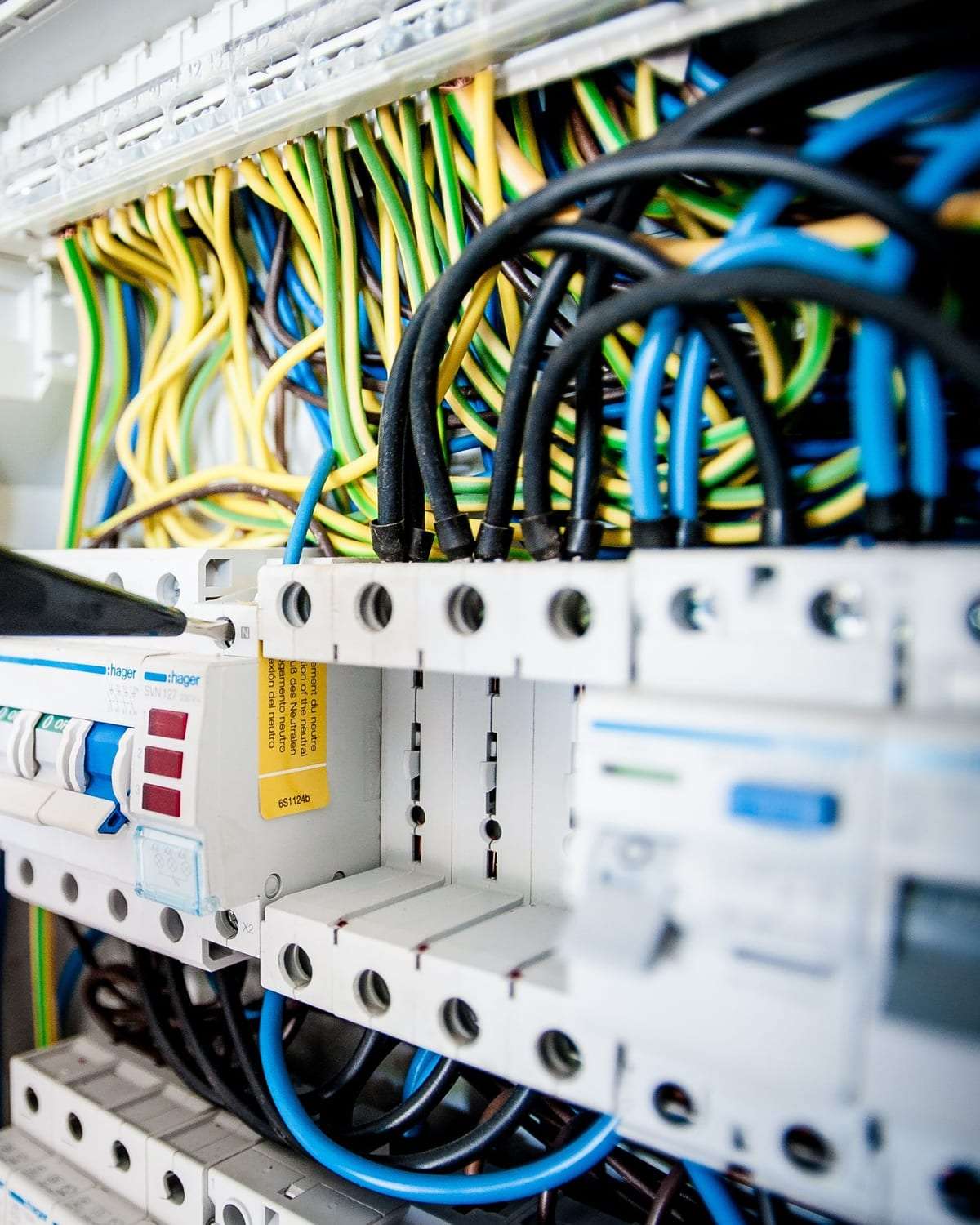
The work usually excludes new wiring for the lights — that’s for a qualified electrician before the ceiling is closed. Changing air-conditioning ducts isn’t included unless agreed.
When do you need a gypsum ceiling, or a new one?
An old concrete ceiling with cracks and exposed services, a single central light that makes the room harsh, or air ducts you want to hide — common reasons to choose a suspended ceiling.
An existing gypsum ceiling needs repair when you see cracks along board lines, yellow stains from a leak above, or sagging in the middle. Stains in particular mean the water source must be fixed first.
In newer homes many people use gypsum to divide spaces with light partitions or to add features behind the TV and in entrances, without touching the structure.
In a large majlis, a gypsum ceiling helps divide the space visually into zones: the main seating with warmer light, and the entrance or serving area lit differently. It makes a big majlis feel warmer in the evening without extra walls.
Design and material options
Common designs include a simple flat ceiling, a stepped two-level ceiling with hidden lighting at the edges, and a ceiling with a central recess for a chandelier in the majlis. Simpler is often more beautiful and easier to maintain, especially with low ceilings.
There are standard boards for rooms, moisture-resistant boards for bathrooms and kitchens, and fire-resistant boards where required. Ask which board goes in each room — standard board in a bathroom is a common cause of damage.
Hidden lighting needs enough depth in the ceiling and easy access to change strips and drivers later. Ask for access hatches in sensible places. Read the guide to gypsum ceilings and hidden lighting.
The usual sequence
- Design and positions
Drawing the ceiling and fixing lights, air and speakers.
- Services
Electrics and air before closing up.
- Frame and boards
Hanging the frame and fixing boards.
- Jointing
Tape, filler and sanding in stages.
- Lighting and paint
Fitting lights, then final paint and inspection.
Working while you live at home
Gypsum work makes a lot of fine dust when cutting and sanding, so empty the room as far as possible, cover what stays, keep doors closed and ask for daily cleaning.
Ceiling work means scaffolds and ladders, so keep children out of the room and agree that equipment is secured at the end of each day.
Before the ceiling is closed, photograph the services and their positions — the photos help with any later maintenance or change without opening the ceiling at random.
Allow enough time between coats of filler to dry properly and don’t rush the paint — haste is one of the main reasons joint lines appear weeks after handover. Good gypsum work needs patience more than speed.
Questions to ask the company
- Is the design included, and will I see a ceiling drawing first?
- Which board goes in each room, and moisture-resistant boards in bathrooms?
- Who does the lighting wiring?
- Will you leave access hatches?
- Is painting included?
- How deep will the ceiling be for hidden lighting in each room?
- What warranty covers cracks at joints?
Warning signs
- Closing the ceiling before lighting and air positions are fixed.
- Standard board in bathrooms and kitchens.
- Joints finished with one quick coat.
- Wiring done by someone unqualified.
What drives the cost of gypsum work?
- The ceiling area and the number of rooms.
- The complexity of the design, levels and cornices.
- The type of board for each room.
- Hidden lighting and the number of points.
- Painting and tall ceilings.
- Removing an old ceiling or repairing leak damage.
We don’t list prices. Ask for written offers with a ceiling drawing and specified materials.
Questions about gypsum board
Does a gypsum ceiling lower the room much?
It depends on the design and hidden lighting. With low ceilings a simple step at the edges is often enough.
Is gypsum suitable in a bathroom?
Yes, with moisture-resistant boards and good ventilation.
Why do gypsum ceilings crack?
Usually poor joint treatment, an unstable frame or building movement.
Can a water stain in a gypsum ceiling be repaired?
Yes — after fixing the leak, replace the damaged section and repaint.
What colour should hidden lighting be?
Warm light suits the majlis and bedrooms; neutral light suits kitchens and work areas. Try it before fitting if you can.
How long does gypsum work take?
It depends on the area, design and jointing stages. Ask for a written timeline.
Does a gypsum ceiling need a design?
At least a simple drawing helps; in larger homes an interior designer can help.
Related services


Helpful guides
Request gypsum and ceiling offers
Describe the rooms and what you want, and let gypsum companies contact you.