Full or partial renovation
Home and villa renovation: from checking the house to handover
A house lived in for twenty years or more eventually needs real renovation: old wiring, plumbing leaking behind the tiles, a dated kitchen and bathrooms, roofs that need insulating. Or you’ve bought a used villa and want to make it yours.
What wears owners out most is receiving quotes that look nothing alike. With SaudiRenovation you describe your home and the scope once, and renovation companies in your city contact you with offers — so you compare on one basis.

What does home renovation usually include?
The scope differs from house to house, but a full renovation usually brings together several trades in a set order:
Survey and assessment
Checking the condition of the house — cracks, damp, services and roofs — before deciding what needs repair and what only needs refreshing.
Strip-out
Removing old tiles, ceilings and services and taking away the waste, while protecting what stays.
Technical work
New electrical and plumbing runs, and waterproofing and insulation for roofs and bathrooms.
Finishes
Plaster, gypsum, paint, floors and doors, then the kitchen and bathrooms.
Renovation usually doesn’t include adding floors or new annexes — that is construction, with its own permits and engineering offices. Furniture and appliances aren’t included either unless agreed in writing.
When does your home need renovating?
Some signs shouldn’t wait: damp patches spreading on walls or ceilings, breakers that trip often, sockets that get warm, drain smells in bathrooms, or cracks that keep widening. They point to a problem under the surface, and fixing it early costs far less than leaving it.
Other reasons are calmer but just as valid: a family that has grown and needs rooms arranged differently, a house you’ve bought and want to suit your taste, or getting a home ready to sell or let. In every case, start with the survey before the decor — there’s no point in fresh paint over a damp wall.
Cracks in columns, beams or concrete slabs, or signs of floors settling, need a structural engineer before any cosmetic work.
Scope and finishing options
Renovation can be cosmetic — paint, lighting and some new floors — or partial, focusing on the kitchen, bathrooms and particular rooms, or full, redoing the services and finishes throughout. The wider the scope, the more planning and design up front matter.
Finishes range from porcelain, marble or parquet floors to gypsum ceilings with hidden lighting and wallpaper in the majlis. Cost differences come from the material, its grade and how it’s installed, so ask for clear specifications.
If the changes include removing walls or making new window or door openings in load-bearing walls, that is structural work that needs an engineer and a municipal permit before you start.
The usual sequence of work
Duration depends on the size of the house, the scope and how quickly materials arrive, but the logical order is much the same:
- Survey and written scope
A site visit, the list of works, and a written scope and specification you can compare between companies.
- Design and permits
Drawings and a finishes concept, plus a municipal permit if any changes need one.
- Strip-out and technical work
Removal, then electrics, plumbing and waterproofing before walls and ceilings are closed.
- Finishes
Gypsum, plaster, paint and floors, then the kitchen, bathrooms, doors and lighting.
- Inspection and handover
A handover walk-through with a snag list, as-built drawings and the warranties for materials and work.
Can you live at home during the renovation?
During a full renovation it’s hard to stay: dust, noise and sometimes no water or power. Many families move out for a while, or split the work into phases and live in one part while the other is renovated, with good dust separation and a separate entrance for the workers if possible.
Before work starts, empty the rooms involved, store valuables away from the dust, and agree working hours and who cleans the site and removes the waste.
Questions to ask the renovation company
- Is the scope and specification written item by item, so I can compare it with other offers?
- Are materials included in the price or do I supply them? What grade and specification?
- What is the timeline for each stage, and what happens if it slips?
- What is the payment schedule, and is it tied to completed stages?
- What warranty covers the work and the materials, and is it in writing?
- Who cleans the site and removes the waste, and who handles permits?
- Does the company hold a valid commercial registration, and who does the electrics and plumbing?
Red flags worth pausing on
- A lump-sum quote with no breakdown of items and materials.
- A large payment up front before any work is done.
- Promises to remove walls with no mention of an engineer or permit.
- Refusal to put the timeline or warranty in writing.
- A figure far below every other quote, unexplained.
What drives the cost of renovating a home?
We don’t list prices, because costs vary a great deal between homes. They usually depend on:
- The size of the house and the number of rooms and bathrooms included.
- The scope: cosmetic, partial, full, or including structural changes.
- The age and condition of the house, and hidden problems such as leaks and old wiring.
- The finishing level and the materials chosen.
- Design, permits, demolition and waste removal.
- The timeline, and whether the family lives in the house during the work.
Read the renovation cost guide, and ask for written offers with the same scope and specification so you compare fairly.
Questions about home renovation
Do I need a permit to renovate my home?
Interior finishes don’t usually need one, but structural changes and facade changes may. Check with the municipality before you start.
How long does a villa renovation take?
It depends on the size, scope and how quickly materials arrive. Ask each company for a written timeline per stage.
Should I start with the design or the contractor?
For a full renovation it helps to start with a clear scope and a design, so the offers become comparable. Read how to plan your home renovation.
Can the renovation be done in phases?
Yes — this is common when the family stays in the house — but do the technical work such as electrics and plumbing first.
Do you carry out the renovation yourselves?
No — we receive requests and pass them to registered renovation companies; the agreement is directly between you and the company.
Are the photos on the site completed projects?
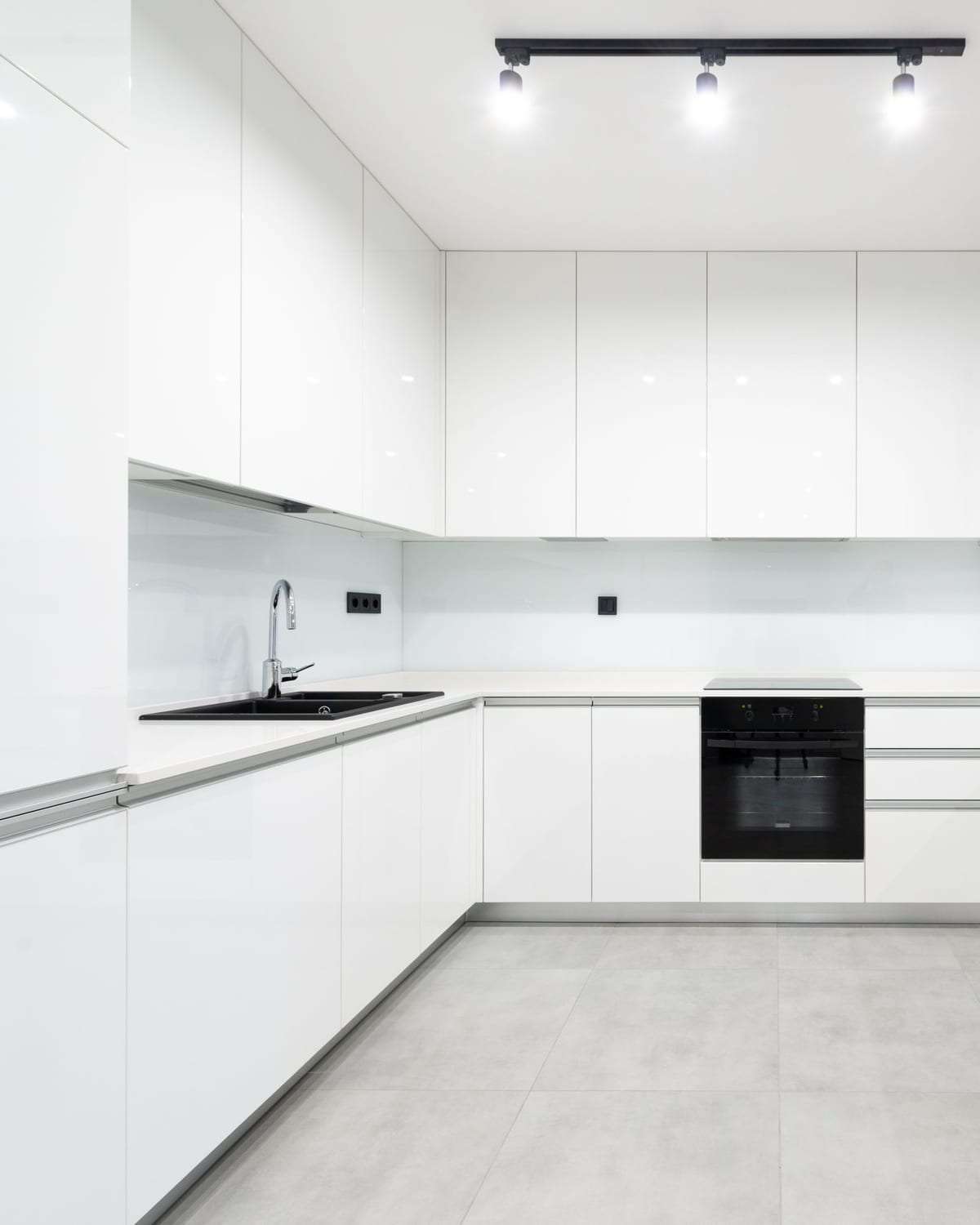
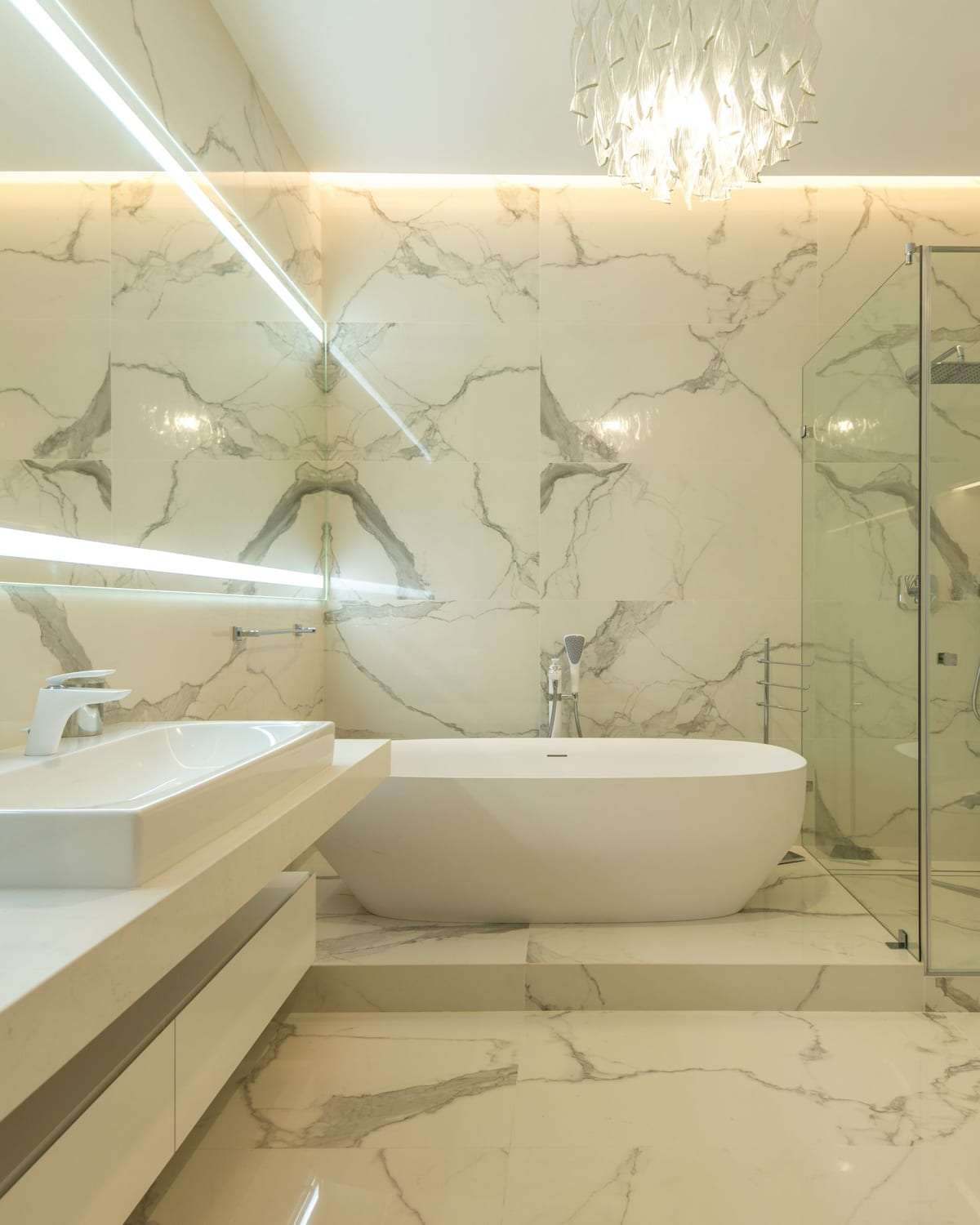
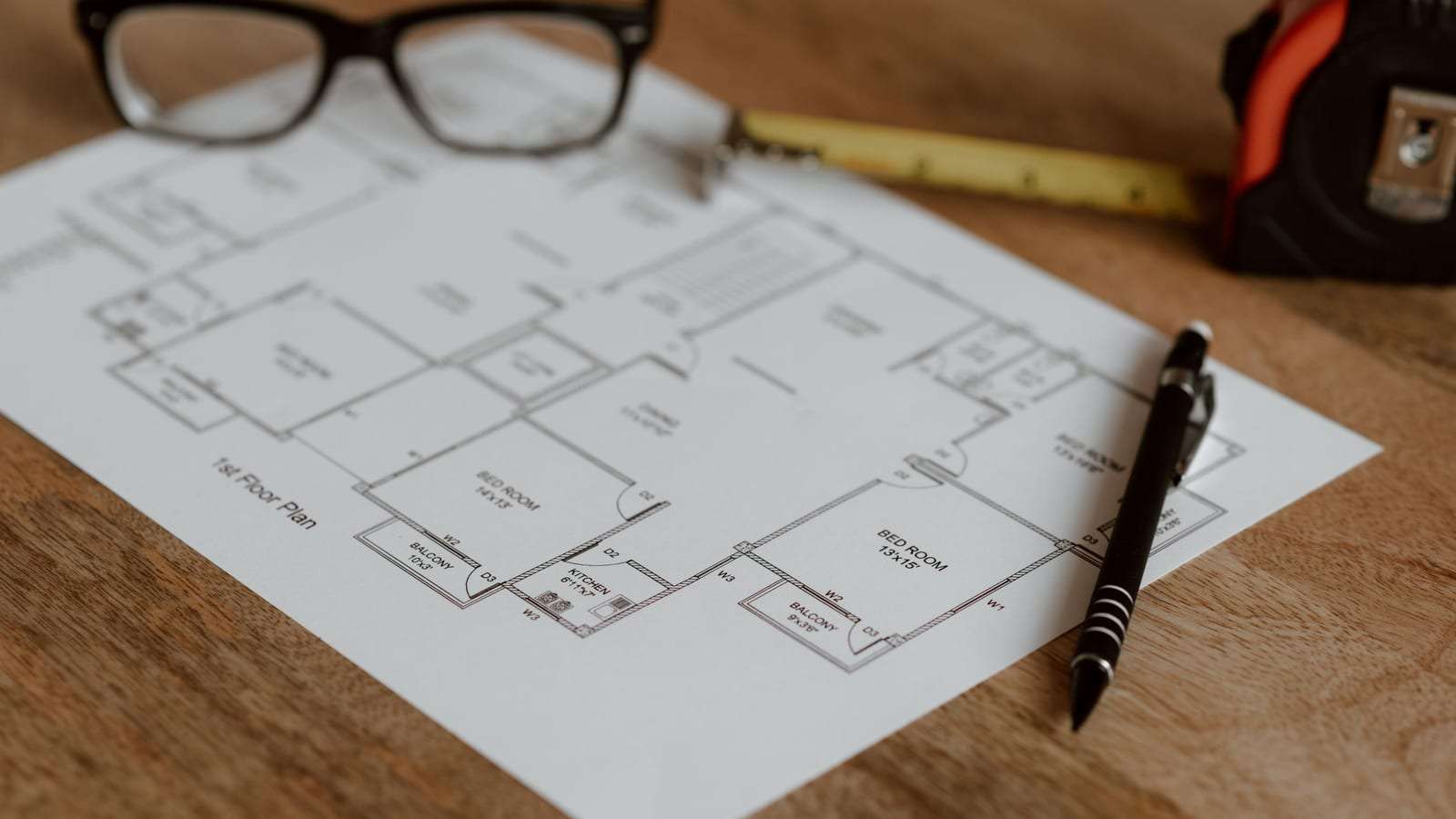
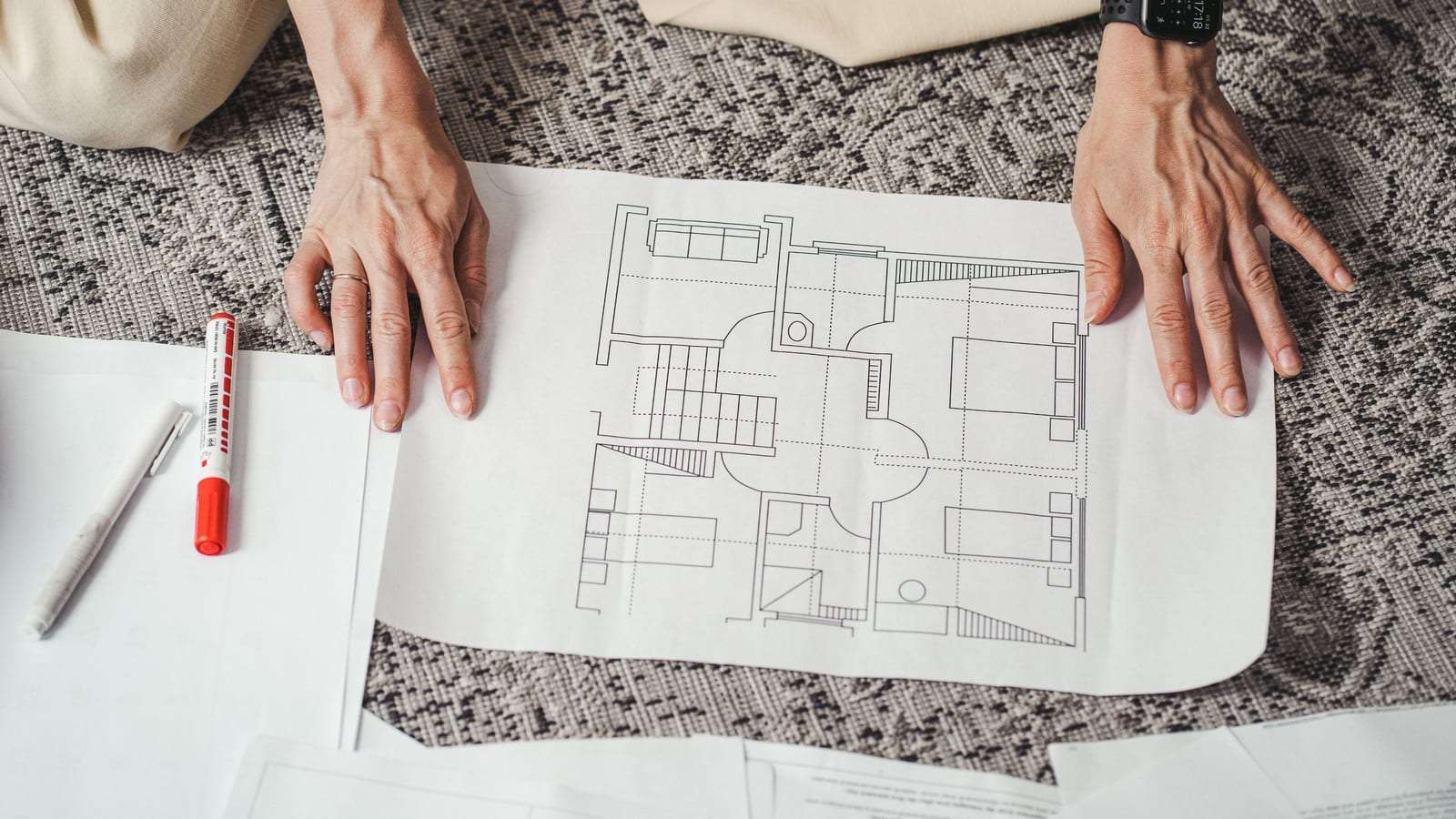
No — the photos are for inspiration only; we don’t show projects or before/after pictures as the work of particular companies.


Request offers to renovate your home
Describe your home and the scope once, and compare companies’ offers on one basis.