Before damage reaches the finishes
Waterproofing and leak repair: fix the source before the surface
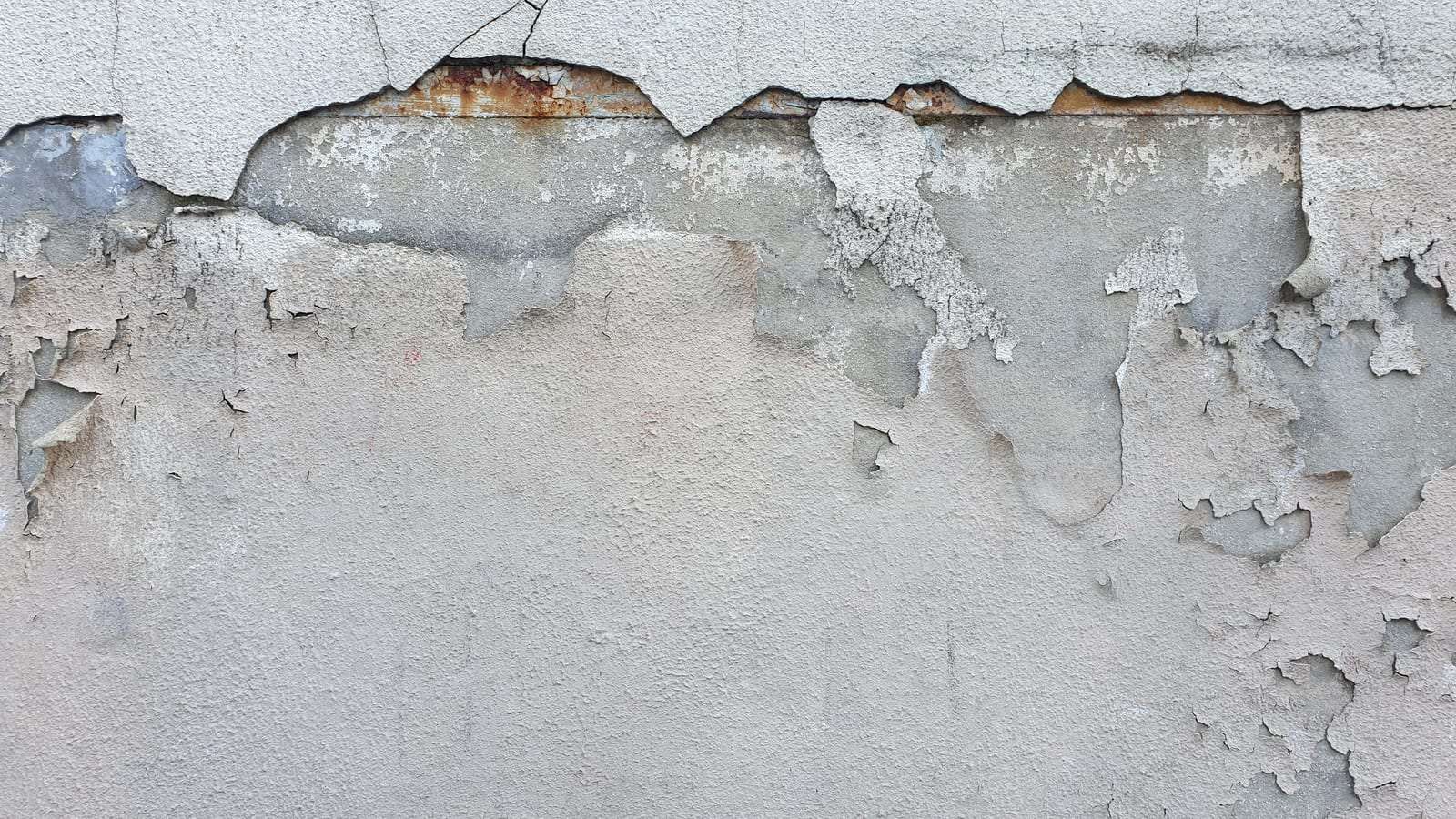
A leak doesn’t wait: a small ceiling stain becomes, within months, flaking paint, crumbling gypsum, lifted tiles and sometimes reinforcing steel rusting inside the concrete. A water bill rising for no clear reason may mean a hidden leak in the pipes wasting water every day.
In the Saudi summer the roof takes the most heat in the house, and good thermal insulation keeps the top floor cooler and eases the load on the air conditioning. With SaudiRenovation you describe the problem or what you want insulated, and your request reaches waterproofing and leak detection companies in your city who contact you with offers.
What do waterproofing and leak services include?
The service combines diagnosis, repair and prevention, depending on the problem:
Leak detection
Locating the leak in pipes, roofs or bathrooms with as little breaking as possible.
Leak repair
Repairing the pipe, joint or failed waterproofing, then reinstating what was opened.
Roof insulation
Waterproofing against rain and washing water, and thermal insulation against the sun.
Bathrooms and tanks
Waterproofing bathroom and kitchen floors and ground and roof tanks.
The service usually doesn’t include redoing finishes damaged by the leak — paint, gypsum or tiles — unless stated. Ask for a separate estimate, or see bathroom renovation and painting.
Signs of a leak
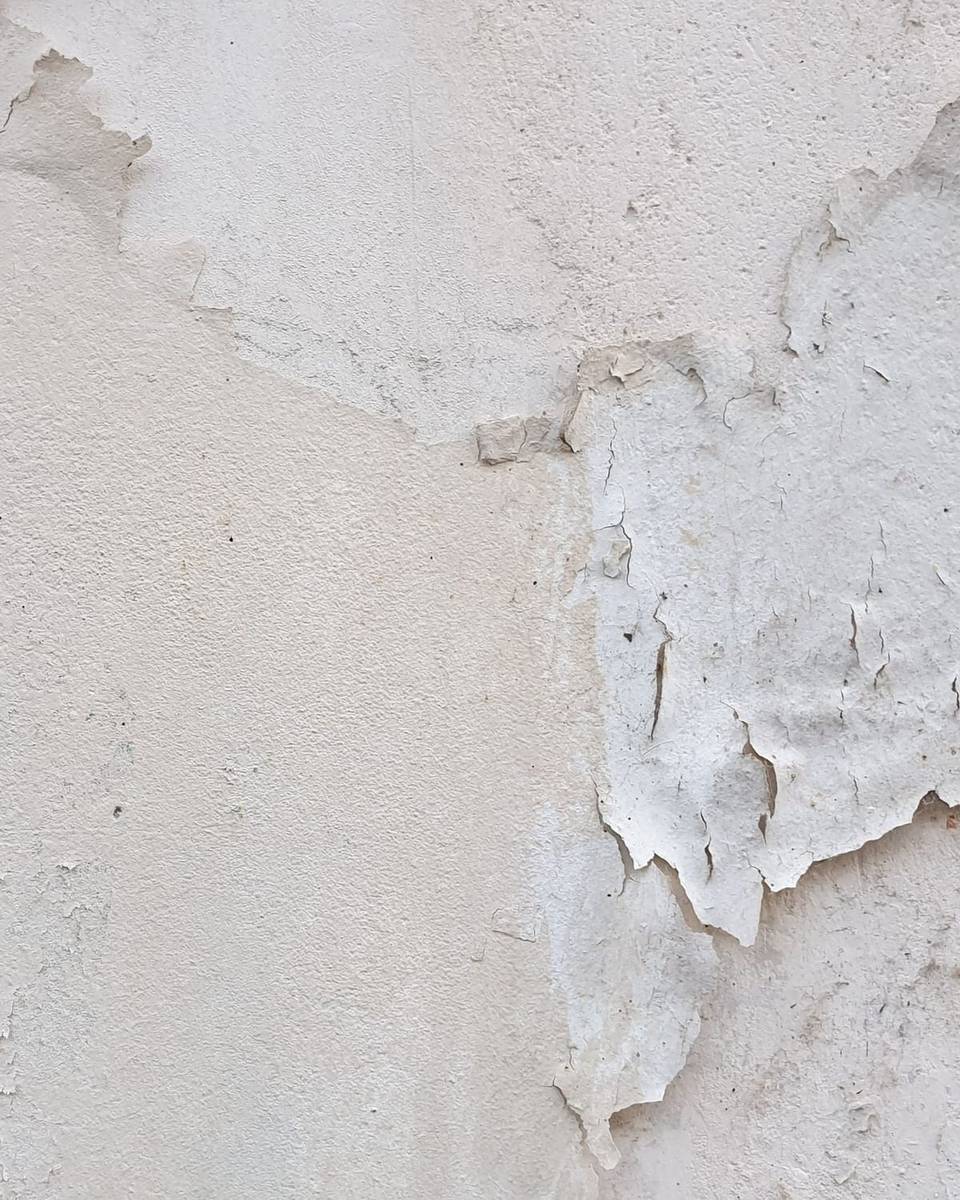
Yellow or brown ceiling stains that spread after the bathroom above is used or after rain, paint bubbling or flaking low on walls, hollow tiles or permanently dark grout, and a damp or mouldy smell that ventilation doesn’t clear. None of these should be treated with paint alone.
Hidden signs include a water meter turning with every tap closed, a sudden jump in the water bill, the sound of water in the wall at night, or a tank emptying faster than usual. These usually mean a leak in buried pipes that needs specialist detection.
On roofs, cracks in the protective layer and water that pools after washing or rain instead of draining point to failed waterproofing or wrong falls. Read signs of hidden water leaks.
Detection and waterproofing methods in general
Specialists use different methods to find leaks without random breaking, including acoustic devices that listen for water in pipes, thermal imaging that shows damp areas, and pressure tests on the pipework. Good detection pinpoints the spot, reducing breaking and reinstatement costs.
Roof waterproofing uses different systems: membranes that are bonded or applied as a coating, thermal insulation layers, then a protective layer of tiles or screed. What matters is testing the waterproofing with water before covering it, carrying it up surrounding walls to a suitable height, and correct falls to the drains.
We don’t name products or thicknesses — the choice depends on the roof’s condition and use. Ask the company which system it proposes and why, and how it tests and guarantees it. Read about roof waterproofing for the Saudi summer.
The usual sequence
- Inspection and detection
Checking the signs and locating the source with instruments.
- Report and offer
Explaining the cause and location, with a written offer for repair and waterproofing.
- Repair or preparation
Fixing the leak or removing old waterproofing and preparing the surface.
- Waterproofing and test
Applying the waterproofing and water-testing it before covering.
- Protection and reinstatement
The protective layer, reinstating what was opened, and handover with warranty.
Can you live at home during the work?
Usually yes. Detection and repair need only limited opening of a wall or floor, and roof waterproofing happens outside. Water may be off for a few hours during a repair, so agree the timing in advance.
Roof waterproofing needs suitable weather — not in rain — and some materials need time to cure before testing and covering. In summer, early-morning work protects both workers and materials.
After a repair, let walls and ceilings dry out completely before repainting or redoing gypsum, otherwise the stains return even though the leak has stopped.
Questions to ask the company
- Which detection method will you use?
- Will you give a written report of the cause and location?
- Which waterproofing system do you propose, and how will you test it?
- Is removing the old waterproofing included?
- Is reinstating tiles or paint after the repair included?
- How long is the waterproofing warranty, and what does it cover?
Warning signs
- Proposing extensive breaking before any detection.
- Paint or gypsum over a damp patch without treating the source.
- Roof waterproofing with no water test.
- A verbal warranty that doesn’t say what it covers.
What drives the cost of waterproofing and detection?
- The area of the roof or bathroom and its condition.
- The detection method and how hard the leak is to reach.
- The waterproofing system, its layers and the protective layer.
- Removing old waterproofing or tiles.
- Reinstating finishes after the repair.
We don’t list prices. Ask for written offers that state the system, area, testing and warranty.
Questions about waterproofing and leaks
Can a leak be found without breaking?
In many cases instruments locate it, and opening is then limited to the repair point.
Is roof thermal insulation really worth it?
Yes — it keeps the top floor cooler and eases the air conditioning in summer.
How long does roof waterproofing last?
It depends on the system, workmanship and maintenance. Ask about the warranty and what it covers.
Why did the stain come back after painting?
Because the water source wasn’t fixed, or the wall wasn’t dry before painting.
Is a leak dangerous for the building?
A persistent leak can harm concrete and steel over time; fix it early and consult an engineer if structural cracks appear.
When should I waterproof the roof?
Ideally before summer, or before the rainy season in rainy regions, and after any work on the roof.

Request waterproofing and leak offers
Describe the problem or what you want insulated, and let specialist companies contact you.