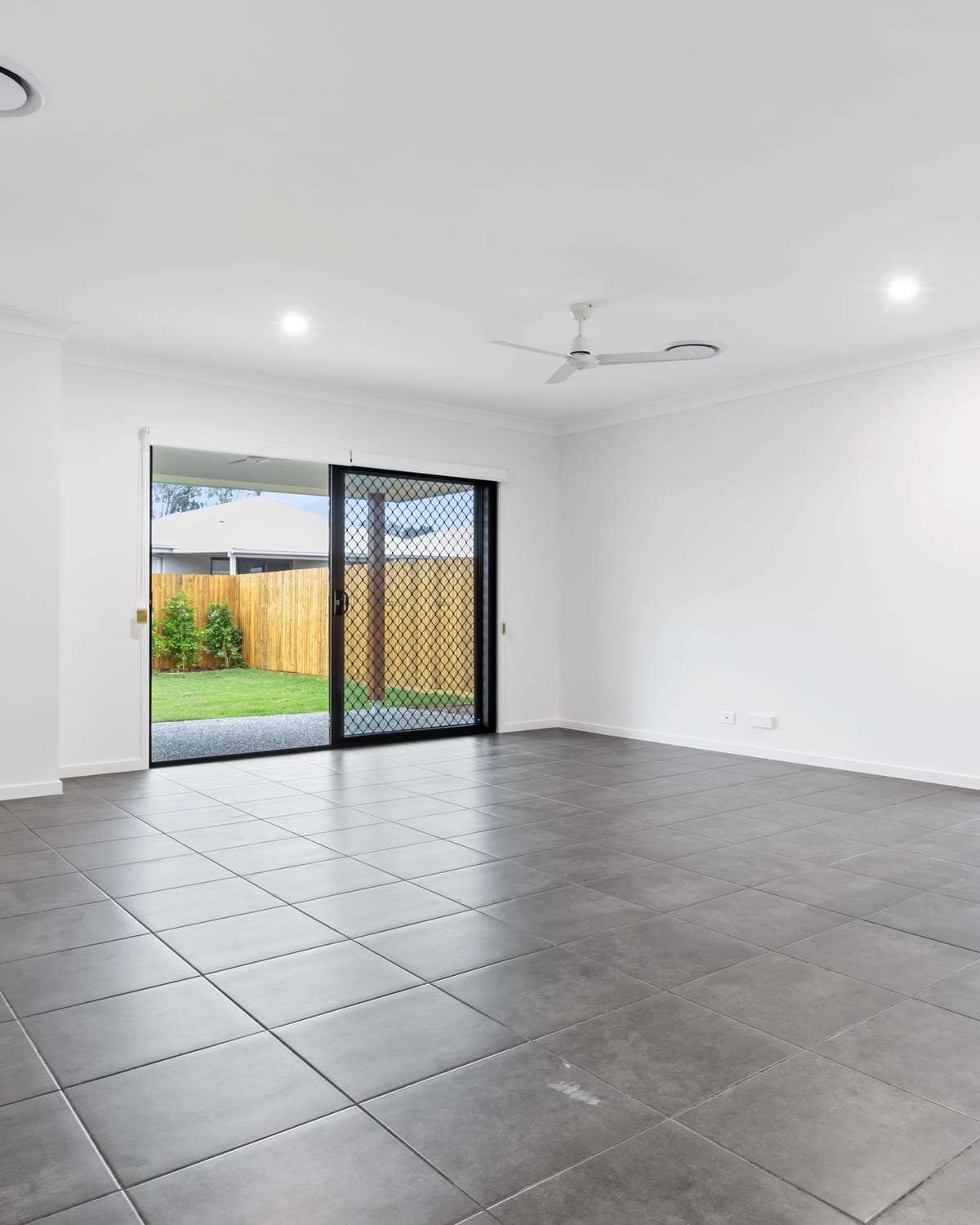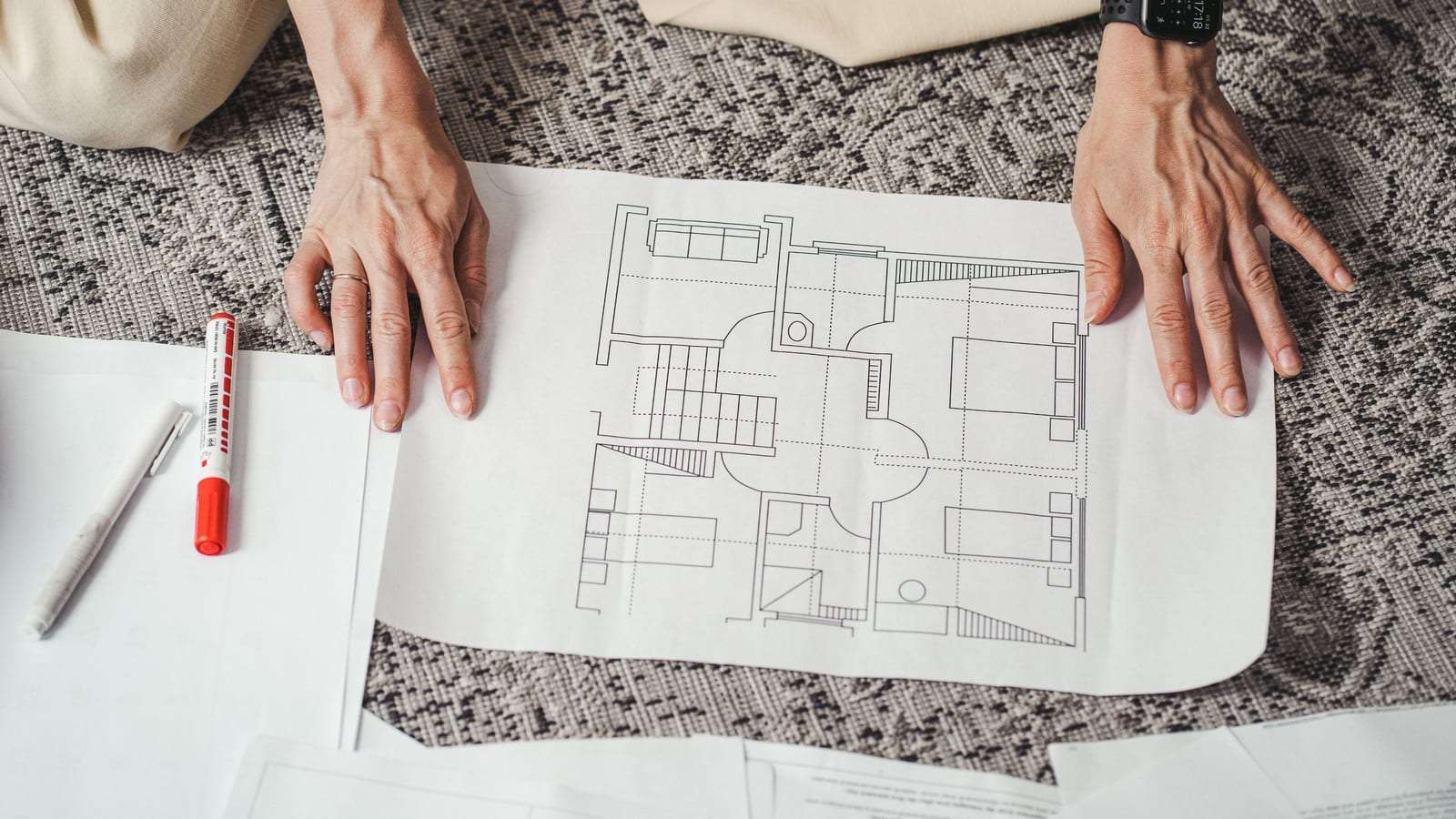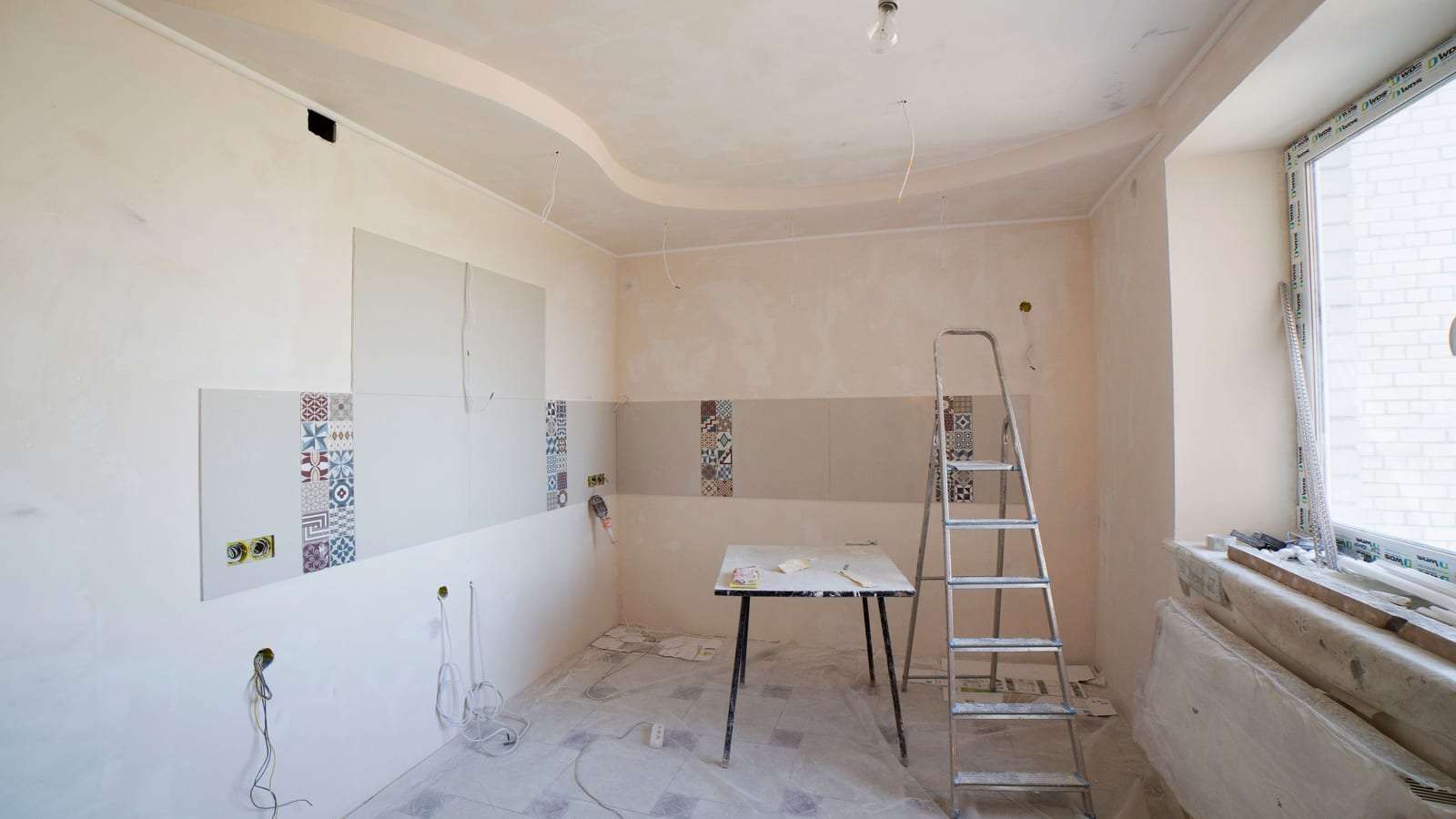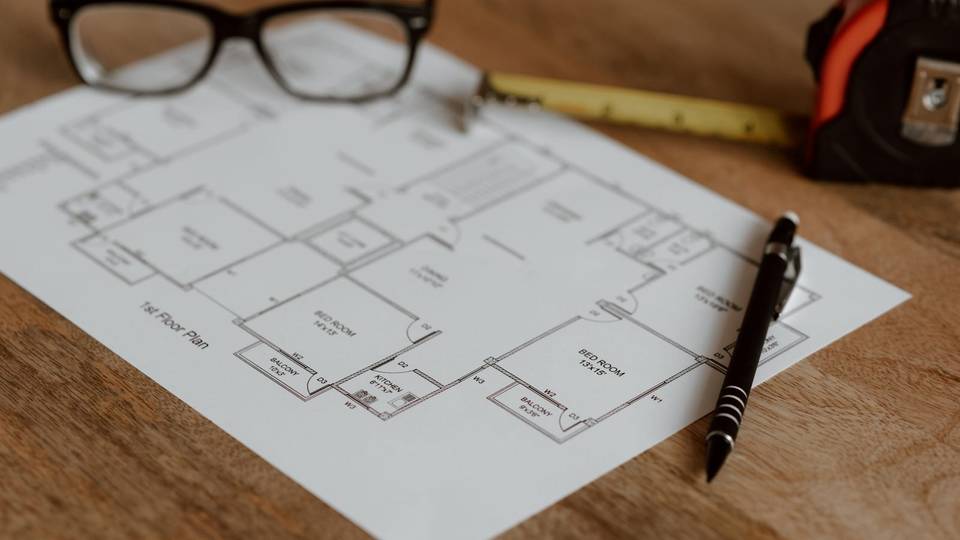
Step one: define the scope precisely
Start with a walk round the house with a notepad or your phone. For each room, write down what bothers you and what you want to change: floors, walls, ceiling, lighting, doors, windows, cabinets. Then note what you can’t see but worries you: damp patches, a high water bill, breakers that trip often, cracks in the walls.
Then put the work into one of four levels: a cosmetic refresh with paint, lighting and some floors; a partial renovation of specific rooms such as the kitchen or bathrooms; a full renovation of the whole home including services and waterproofing; or structural work that touches load-bearing walls, slabs or columns. Each level needs a different kind of company and plan.
If the house is old, or has cracks or leaks, ask for a technical survey before you fix the final scope. It may show that the pipes need replacing before the new tiles, or that the roof needs waterproofing before gypsum and paint.
Step two: set a budget with a margin
We don’t quote prices in this guide, because cost varies with city, size, materials, finish level and the state of the home. But the way to think about a budget is the same: decide what you can really spend, then keep part of it as a reserve for what appears once things are opened up — especially in older homes.
Set priorities: what protects the house first, such as waterproofing, services and repairs; then what you use every day, such as the kitchen and bathrooms; then what beautifies, such as gypsum and decorative lighting. If the budget is tight, you postpone the beauty, not the basics.
Read what affects renovation cost and the renovation cost page to understand what pushes cost up or down.
Step three: design and materials
For a small job, photos of what you like and a list of materials may be enough. For a full renovation, or when you change the room layout or kitchen, a design saves a lot: measured drawings, electrical and plumbing points, lighting and material specifications. It also gets you quotes you can genuinely compare.
Choose a style that suits your home and family: contemporary, classic, Najdi or Hijazi with a modern touch, or minimalist with calm colours. Think about the climate too: materials that handle heat and dust in inland cities, and moisture- and salt-resistant materials on the coast.
If you need a designer, read about interior design services and what you can ask of them.
Step four: request and compare quotes
Send every company the same description: scope, area, materials or finish level and the date you need. Quotes built on different descriptions can’t be compared. With SaudiRenovation you describe it once and it reaches several companies.
Ask for every quote in writing, itemised line by line: what’s included and excluded, material types and specifications, duration, payment schedule and warranty. Don’t compare on the total alone — the cheapest quote may leave out what others include.
Check that the company is properly registered, and ask about similar work you can see. Read how to choose a renovation company and compare quotes.
Step five: the work and the handover
Before starting, sign a written contract setting out scope, materials, duration, payments, warranty and how extra work is handled. Tie payments to completed, visible stages rather than to time passing. Read about the renovation contract and payment schedule.
During the work, visit regularly — especially before hidden work is covered: services before plastering, waterproofing before tiling. Photograph it; those photos help with any maintenance later.
At handover, walk the house room by room with a checklist: doors open and close well, tiles are level with no hollow spots, paint is even, switches and sockets work, and nothing leaks under the sinks. Write down the snags and agree a date to fix them before the final payment.
Permits and licensed work
Most interior finishes don’t need a permit, but structural work — removing a load-bearing wall, making a new window opening — facade changes and some additions may need a municipal permit. Main electrical work and gas must be carried out by qualified specialists.
Don’t rely on the company’s word alone: check with the municipality or relevant authority before starting, because a violation can cost more than the renovation itself.
Common planning mistakes
These are mistakes we see often in renovation requests — all of them avoidable if you watch for them from the start:
- Decor before basics: new paint on a damp wall, or new tiles over old pipes, means redoing the work within months.
- A different description for each company: explaining the job verbally and differently to each company gets you quotes you can’t compare.
- A budget with no reserve: especially in older homes, opening up reveals what wasn’t visible, so leave a margin.
- Changing your mind mid-job: every change after starting costs extra time and money, so settle decisions before signing as far as you can.
- Not documenting the agreement: both sides forget the details of a verbal agreement; a written contract protects everyone.
Will you live in the house during the work?
This decision shapes the whole plan. Renovating in phases, room by room, lets you stay but is slower and more disruptive, and work areas need sealing off from dust. A full renovation of an empty house is faster and more precise but needs temporary accommodation.
If you stay, agree working hours with the company, protection for furniture and floors, and a sequence that always leaves one kitchen or bathroom usable.
FAQ
What comes first: the design or the quotes?
For a full renovation start with the design, or at least a detailed description, because it makes quotes comparable. For small jobs you can request quotes straight away.
How many quotes do I need?
At least three detailed quotes give a good picture of the differences in scope, materials and duration.
How long should planning take before starting?
It depends on the size of the job, but a few weeks of good planning usually saves far more time during the work and reduces extras.
Should I pay a large deposit?
It’s better to tie payments to completed stages and keep a final payment until after handover and snag fixes.
Can we live in the house during the work?
Yes, with a phased renovation, sealed-off work areas and a sequence that keeps one kitchen or bathroom usable.
What’s the difference between renovation and new construction?
Renovation renews an existing home; adding a floor or an annex is new construction. Our sister site SaudiContractor helps with building work.
This guide is general information, not engineering or legal advice. Any structural change needs a qualified engineer and a municipal permit, and electrical, plumbing and gas work must be done by qualified, licensed technicians.