The quickest way to refresh a home
Painting and decor: preparation makes the difference before colour
Painting is the quickest and least costly way to refresh a home, changing how the whole house feels in days. But it’s also where quality — or the lack of it — shows most: cracks returning after weeks, stains showing through the new colour, uneven edges at ceilings and doors.
The secret isn’t the colour but preparing the wall first. With SaudiRenovation you describe the area, the rooms and what you want, and your request reaches painting and decor companies in your city who contact you with offers.
What does painting and decor include?
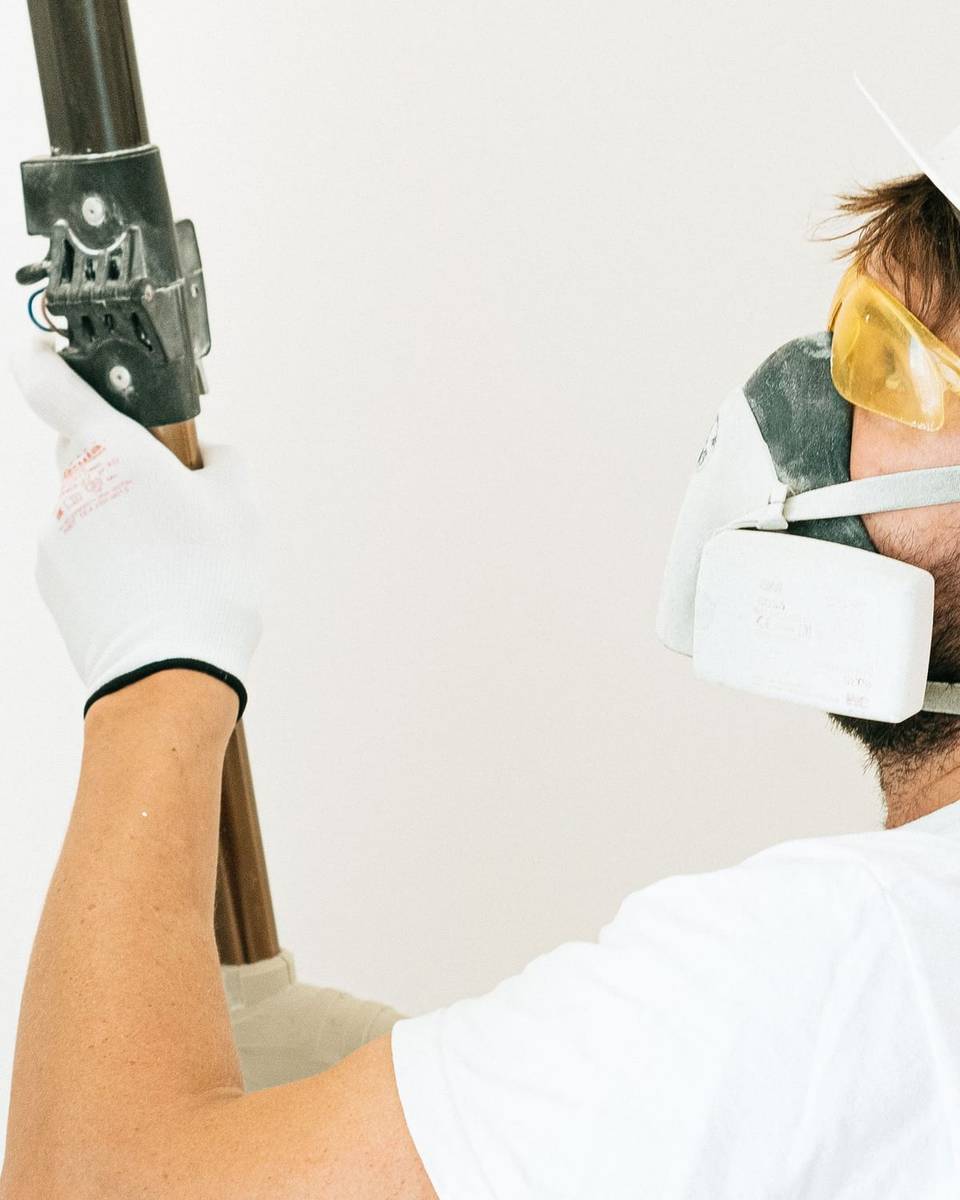
Good work goes through stages owners rarely see, but they are what make paint last:
Protection and preparation
Covering floors and furniture, removing flaking paint, treating cracks and holes.
Filler and sanding
Levelling walls with filler where needed, then sanding to a smooth surface.
Primer and paint
A primer suited to the surface, then two or more finish coats.
Decor
Wallpaper, textured decorative paints, or panelling in the majlis.
Painting doesn’t fix the source of damp if stains come from a leak — that’s waterproofing and leak repair, which comes first. New gypsum ceilings are usually gypsum board work, not painting.
When does your home need repainting?
Faded or grubby colours that don’t wipe clean, marks from old furniture and pictures, hairline cracks around doors and windows, and paint peeling in bathroom and kitchen corners. All of these are fixed with proper preparation, then paint.
But if stains are yellow or brown and spreading, or the paint bubbles in one spot, water is usually coming from behind the wall or the floor above. Painting over it without treating the source means it will come back.
Calmer reasons too: getting the house ready before Ramadan or a family occasion, before letting a flat, or simply wanting calmer, more modern colours.
Paint and decor options
Paints differ in sheen: matt hides wall imperfections and suits living rooms and bedrooms; satin wipes clean more easily for corridors and children’s rooms; gloss suits kitchens and bathrooms with humidity and frequent cleaning. Ask about low-odour paints if you’ll live at home during the work.
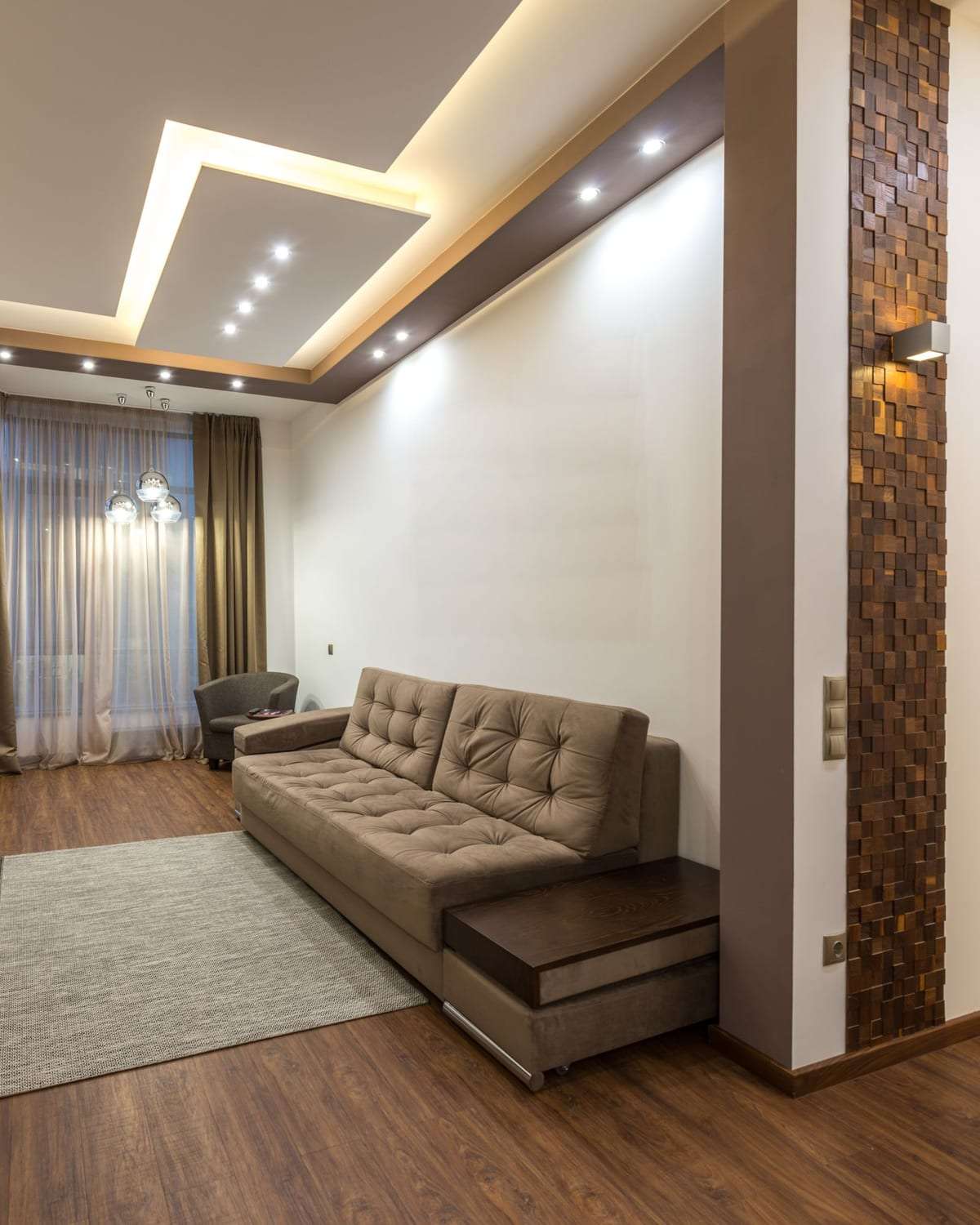
In the majlis many families like calm patterned wallpaper, timber or gypsum panelling, or textured paints that imitate stone or plaster. They add depth but need a skilled hand and more careful preparation.
Light, warm colours suit the Saudi heat and make spaces feel larger; darker colours bring warmth to a single feature wall without weighing the room down. Try the sample on the actual wall, in daylight and evening light, before deciding.
The usual sequence
- Survey and colours
Checking the walls and trying samples on them.
- Protection and repair
Covering furniture and floors, treating cracks and holes.
- Filler and primer
Levelling and sanding, then a primer coat.
- Finish coats
At least two coats, with enough drying time between them.
- Clean-up and handover
Removing protection, cleaning edges and a snag walk-through.
Painting while you live at home
Painting can be done with the family at home, room by room. Empty the room as far as possible, cover what stays, keep windows open for ventilation, and keep children and anyone with allergies out until it dries.
Agree the order of rooms so a bedroom, a bathroom and the kitchen stay usable, and who moves the furniture out and back.
After each room, wait until the paint has cured before rehanging pictures or pushing furniture back against the wall — paint can feel dry to the touch long before it hardens. Keep a little of each colour for touch-ups, with a note of its name and code.
Questions to ask the company
- Are preparation, filler and primer included in the offer?
- How many finish coats?
- Who supplies the paint, and what type and sheen?
- Is moving and protecting furniture included?
- What warranty covers peeling and cracks?
- How many days per room?
- Do you treat cracks with flexible materials or only with filler?
Warning signs
- A price per coat with no mention of preparation.
- Painting over damp stains without asking what causes them.
- Refusing to try a sample on the wall.
- No protection for floors and furniture.
- A promise to finish a whole house in a day or two with no drying time.
What drives the cost of painting?
- The area of walls and ceilings and the number of rooms.
- The condition of the walls and how much repair and filler they need.
- The type and sheen of paint and the number of coats.
- Decor such as wallpaper and decorative finishes.
- Heights and tall ceilings in living rooms and majlis.
We don’t list prices. Ask for written offers that state the preparation, number of coats and type of paint.
Questions about painting and decor
How many coats do I need?
Usually a primer and two finish coats, sometimes more when going from a dark to a light colour.
Can I paint over wallpaper?
It isn’t usually recommended; removing the paper and preparing the wall gives a better, longer-lasting result.
Why do cracks come back after painting?
If they weren’t treated with the right materials, or if they come from building movement that needs checking.
Is paint safe for children?
Choose low-odour paints, ventilate well, and keep children out until it’s fully dry.
How long does painting a house take?
It depends on the area and the condition of the walls. Ask for a written timeline.
Should ceilings be the same colour as the walls?
Ceilings are usually painted lighter to feel higher and brighter, but it depends on the design and the room height.
Do companies advise on colours?
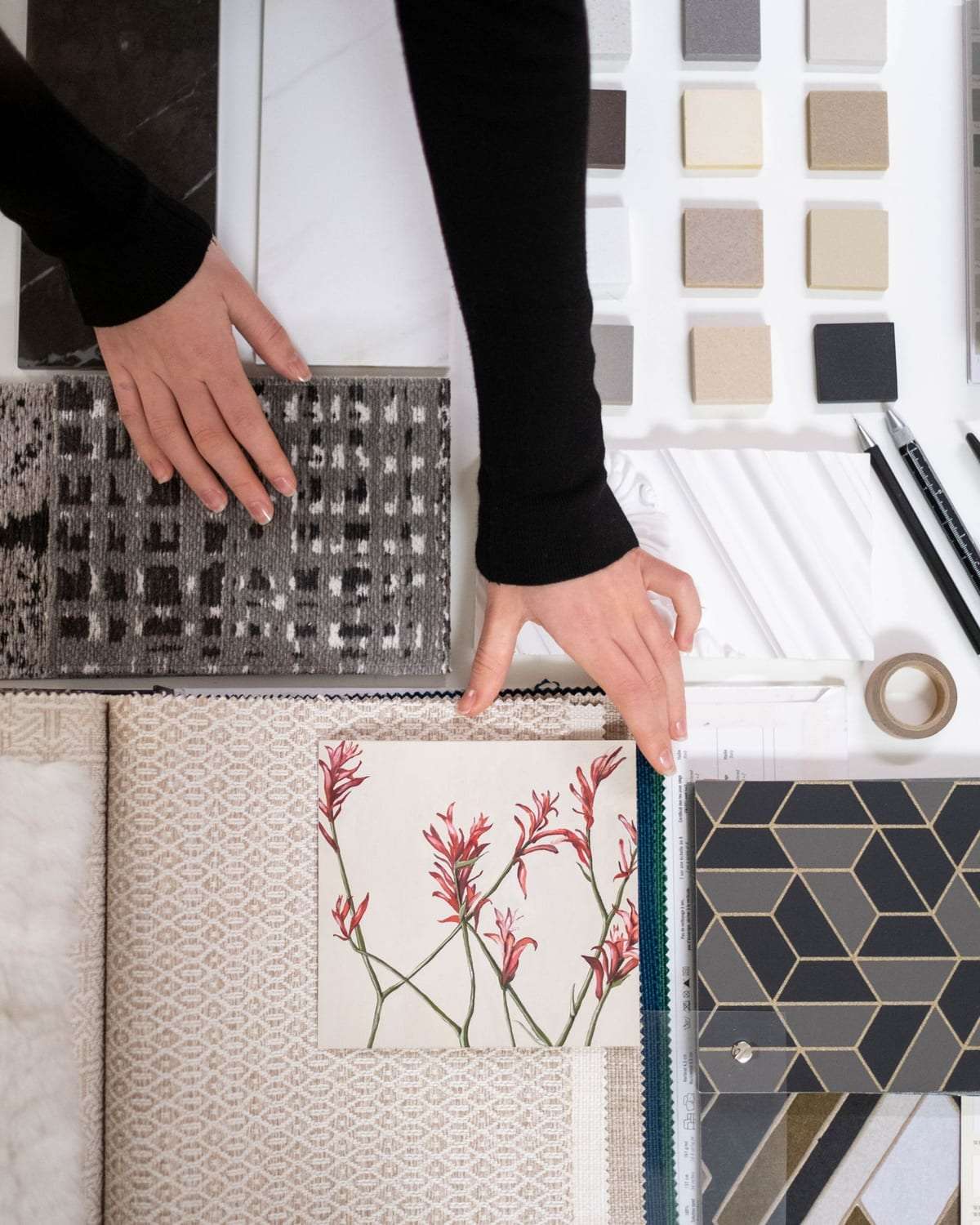
Many suggest colours; for a fuller scheme you can work with an interior designer.
Request painting and decor offers
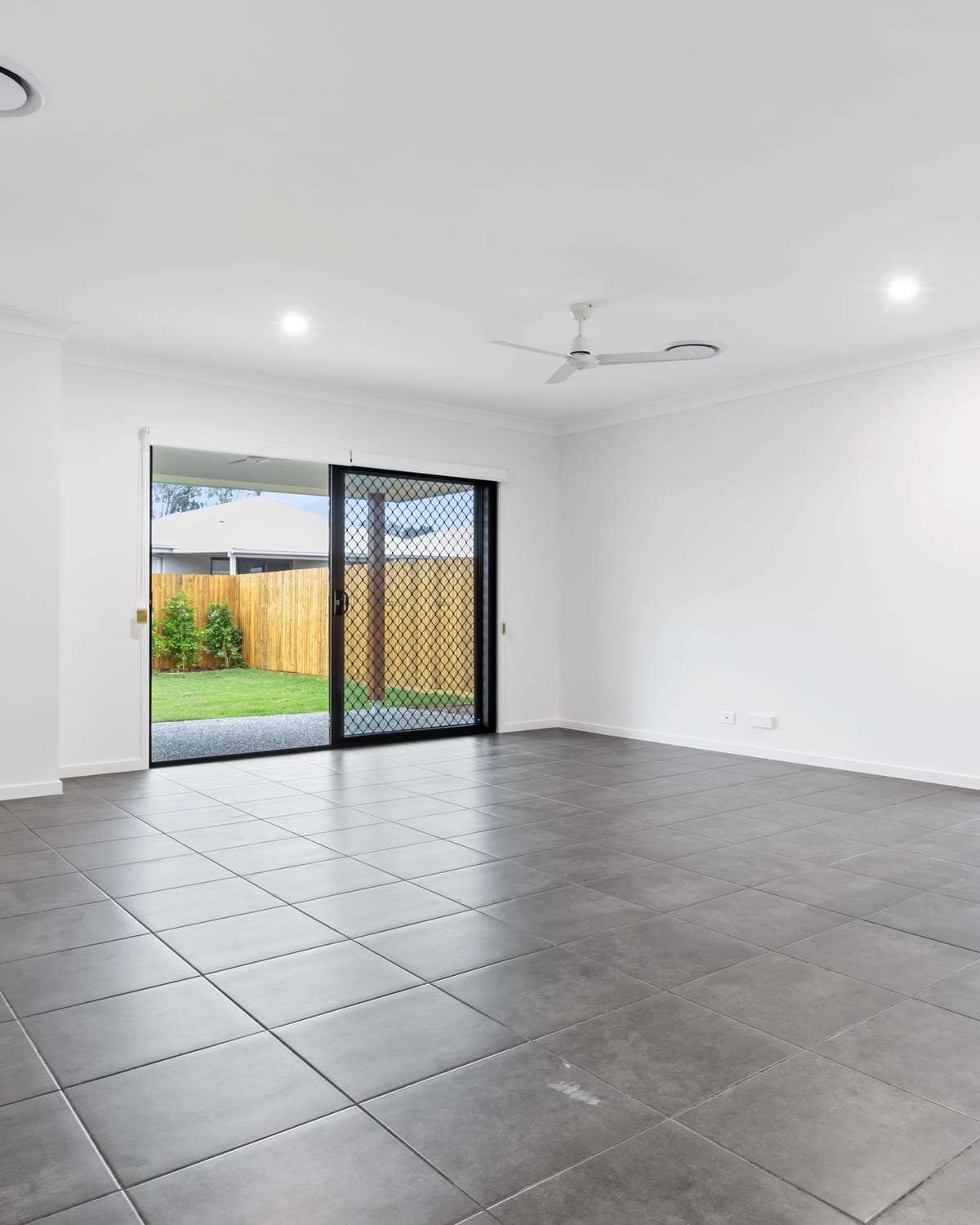
Describe the rooms, the area and what you want, and let companies contact you.