Waterproofing first
Bathroom renovation: waterproofing first, then design
The bathroom is the smallest room in the house but the most complex: water running every day, drainage, humidity, and electrics close to water. A hidden mistake — incomplete waterproofing or wrong falls — shows up months later as a damp patch on the ceiling below or a lifted tile in the next room.
That’s why in a bathroom, what’s under the tiles matters more than what’s on top. With SaudiRenovation you describe your bathrooms and what you want once, and your request reaches renovation companies in your city who contact you with offers.
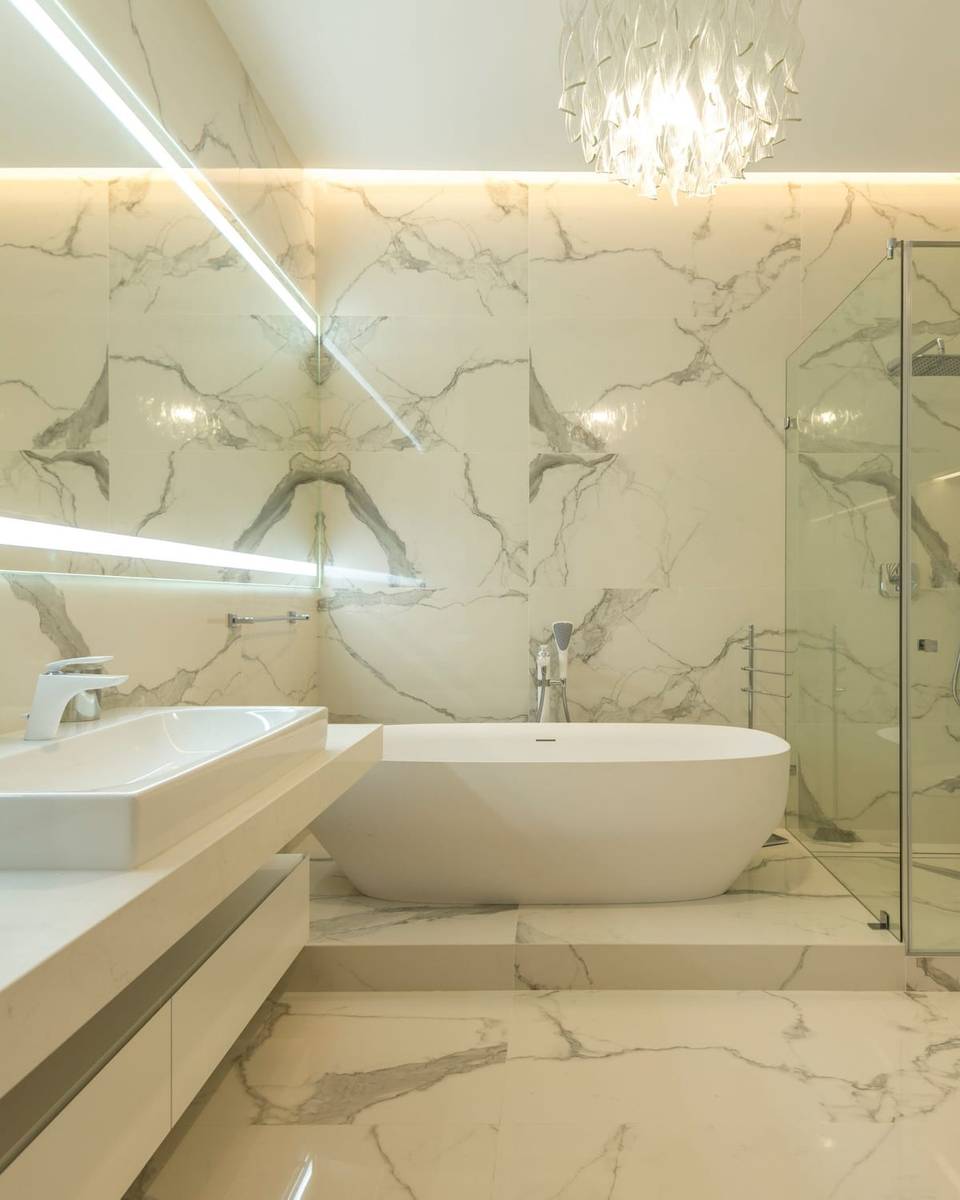
What does a bathroom renovation include?
A full bathroom renovation goes through successive layers, each with its own job:
Strip-out and inspection
Removing old tiles and fittings, and checking pipes and the floor for leaks or damage.
Plumbing and drainage
New water runs, drainage with correct falls, and clear positions for the sanitaryware.
Waterproofing
Waterproofing of the floor, lower walls and shower area, tested before tiling.
Finishes
Tiles, sanitaryware, lighting, ventilation and accessories.
The offer usually doesn’t cover repairing damage in other rooms caused by an old leak unless stated. If the company finds damage in ceilings or neighbouring walls, ask for a separate written estimate.
When does a bathroom need renovating?
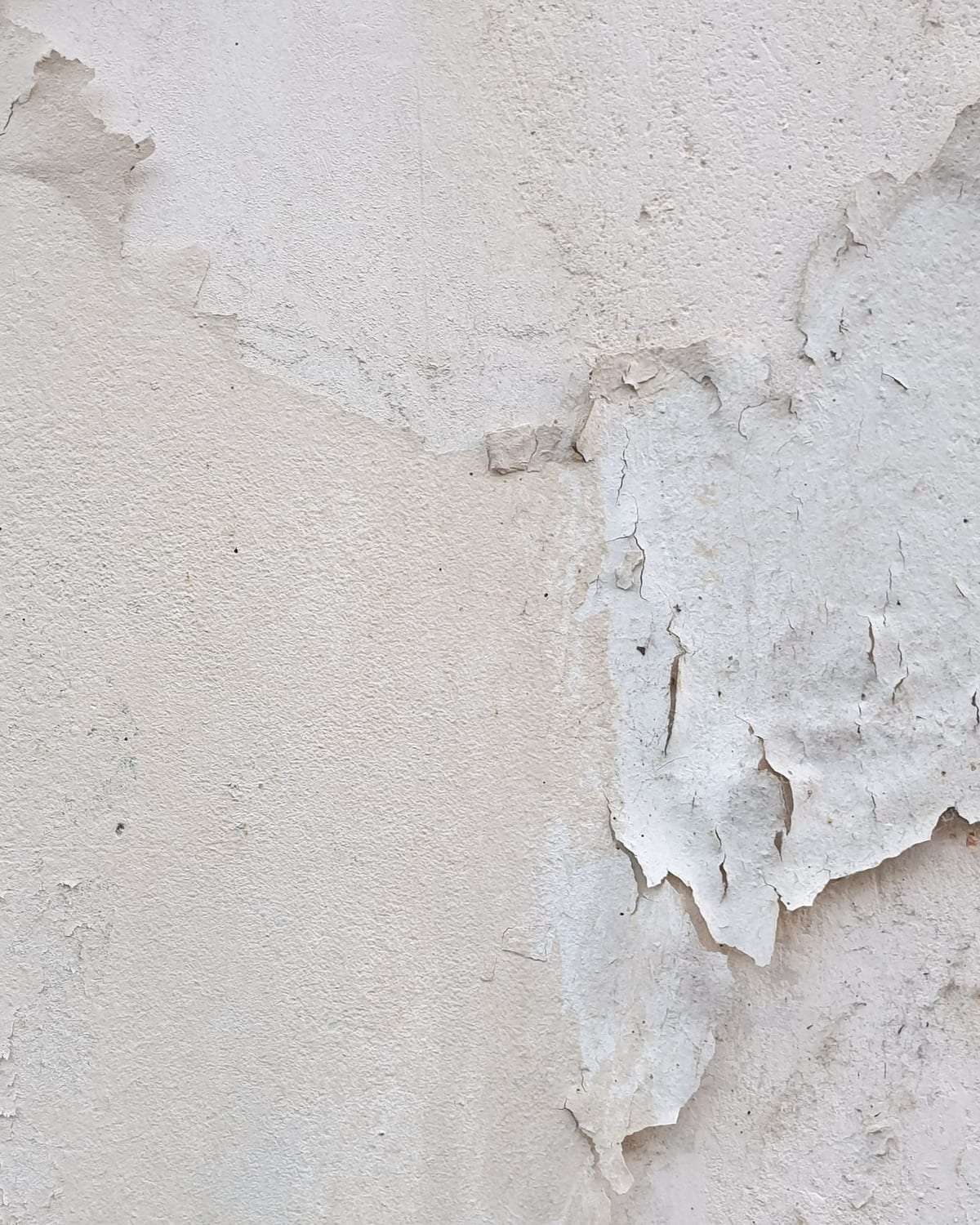
Black grout that won’t clean, hollow tiles that sound when tapped, a drain smell that won’t go, water that pools instead of running to the drain, and damp on the wall opposite or the ceiling below. These point to a waterproofing or drainage problem, and ignoring them spreads the damage.
Or the bathroom is simply dated: a bath nobody uses where the family would prefer a large shower, too little storage, or poor ventilation that keeps the mirror and walls damp.
If you see an active leak, find and fix it before any cosmetic decision. Read signs of hidden water leaks.
Design and material options
A level-access shower suits older relatives and looks more spacious, but needs precise falls and extended waterproofing. A glass enclosure is easier to clean, and a wall-hung basin gives a sense of space and an easier floor to clean.
For tiles, matt or textured porcelain is safer on the floor than gloss, and large pieces on the walls mean fewer joints. Natural marble is beautiful but needs care and sealing against stains.
Ventilation isn’t a detail: an extractor sized for the room protects paint and ceiling from mould. Lighting near water must be rated for wet areas and installed by a qualified electrician.
If an older relative or someone with special needs lives at home, think about the details that make a difference: fixed grab bars by the toilet and shower, a slip-resistant floor, a shower seat, a door that opens outwards and room to move. They are easier and cheaper when planned from the start.
The usual sequence
- Strip-out and inspection
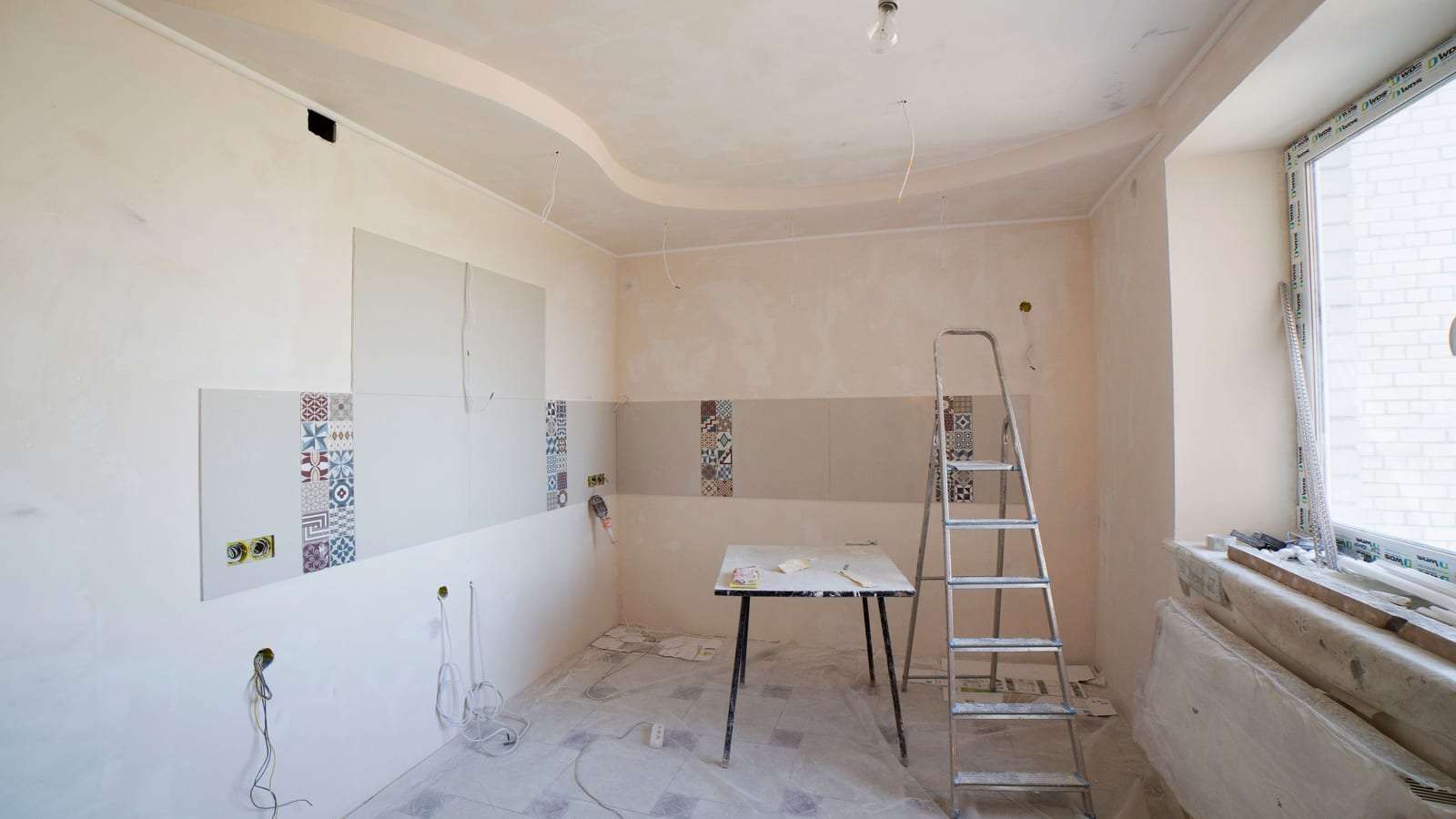
Removing the old and exposing the condition of pipes and floor.
- Plumbing and electrics
Water, drainage, power and lighting points.
- Waterproofing and testing
Waterproofing floor and walls and a water test before covering.
- Tiling
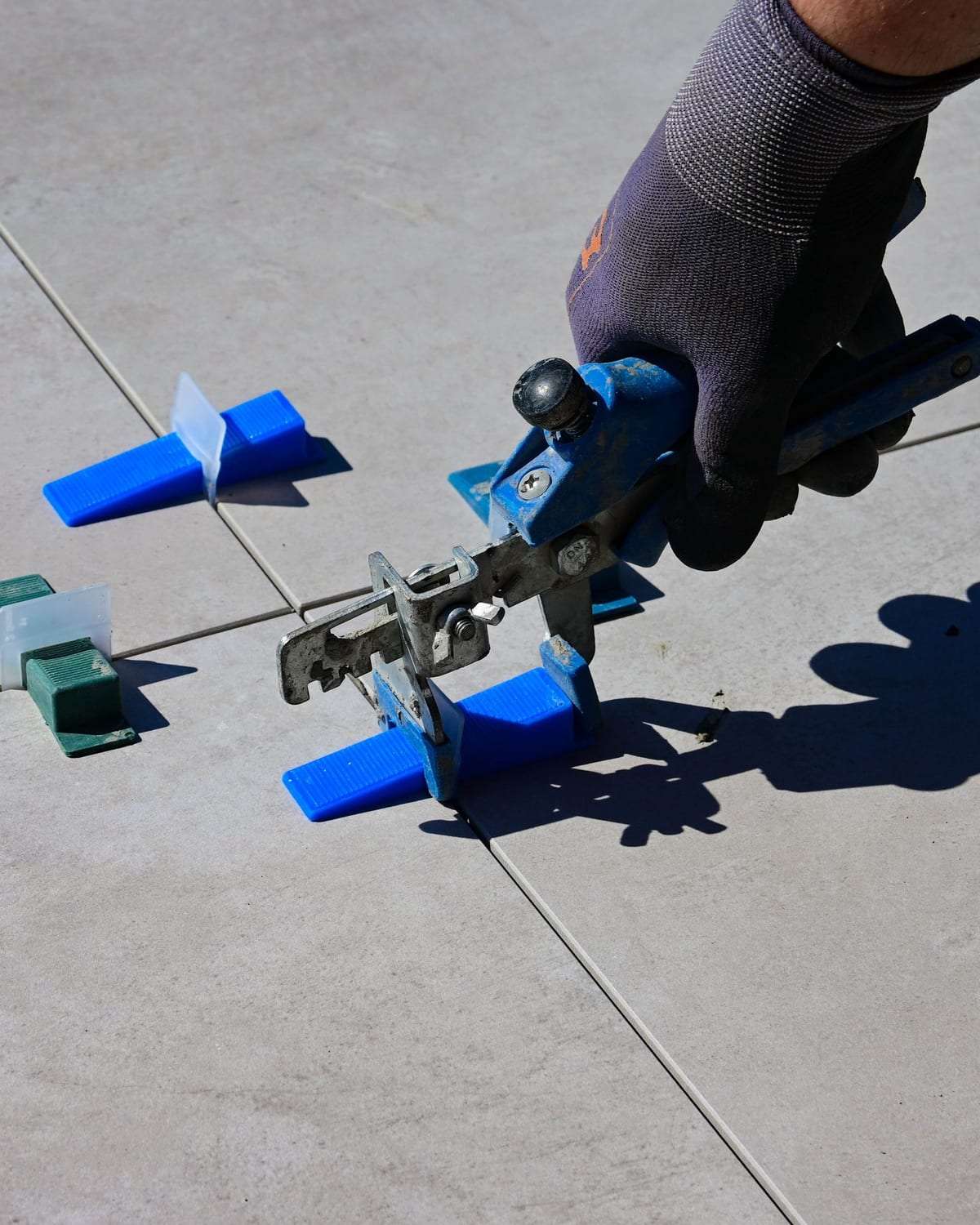
Tiles with the right falls and joints.
- Fittings and handover
Sanitaryware, lighting and ventilation, then inspection.
Renovating while you live at home
If the house has more than one bathroom, renovate one at a time so another stays usable. If it’s the only bathroom in a flat, agree a clear timeline with the company and plan a temporary alternative for the first days.
Strip-out brings dust and noise, so keep doors closed, protect corridors and keep children away. Ask for the water to be isolated in a way that doesn’t cut supply to the rest of the house for long.
Before the walls are closed, ask to see the waterproofing and pipework yourself, or photos of it — it’s the last chance to see what will disappear under the tiles for years.
Questions to ask the company
- What waterproofing system, where does it extend, and do you test it before tiling?
- Will you replace the pipework or keep it?
- Who supplies the tiles and sanitaryware?
- What falls are planned towards the drain?
- What warranty covers waterproofing and leaks?
- How many days will the bathroom be out of use?
- Will you give me photos of the pipework and waterproofing before the walls are closed?
Warning signs
- An offer that doesn’t mention waterproofing or treats it as optional.
- Tiling over old tiles without checking the pipes.
- Refusing a water test before covering the waterproofing.
- Electrics near water without a qualified electrician.
What drives the cost of a bathroom renovation?
- The size of the bathroom and the number of bathrooms.
- Replacing the pipework or keeping it.
- The type and extent of waterproofing.
- Tiles and sanitaryware and their grade.
- Repairing old damage discovered during the work.
We don’t list prices. Read the bathroom renovation guide and compare offers with the same specification.
Questions about bathroom renovation
Can tiles be replaced without removing the old ones?
Sometimes on walls, but the floor usually needs stripping to check waterproofing and falls. Decide after the site visit.
Is waterproofing needed if there’s no leak?
Yes — waterproofing prevents leaks before they happen and is one of the most important parts of a bathroom.
Can I move the toilet or shower?
Usually yes, but it means changing drainage and falls, and may be limited in flats.
How long does a bathroom renovation take?
It depends on the scope, waterproofing curing time and materials. Ask for a written timeline.
What’s the best floor tile for a bathroom?
A slip-resistant tile suited to wet areas. Ask about its slip-resistance rating.
What if the company finds old damage during strip-out?
Ask them to show you the damage and write a separate estimate before repairing it, so you aren’t surprised by an unagreed increase in cost.
Do I need an extractor fan?
In most bathrooms, yes — it protects against damp and mould.

Request offers for your bathrooms
Describe the bathrooms and what you want, and let renovation companies contact you.