Scope: by far the biggest factor
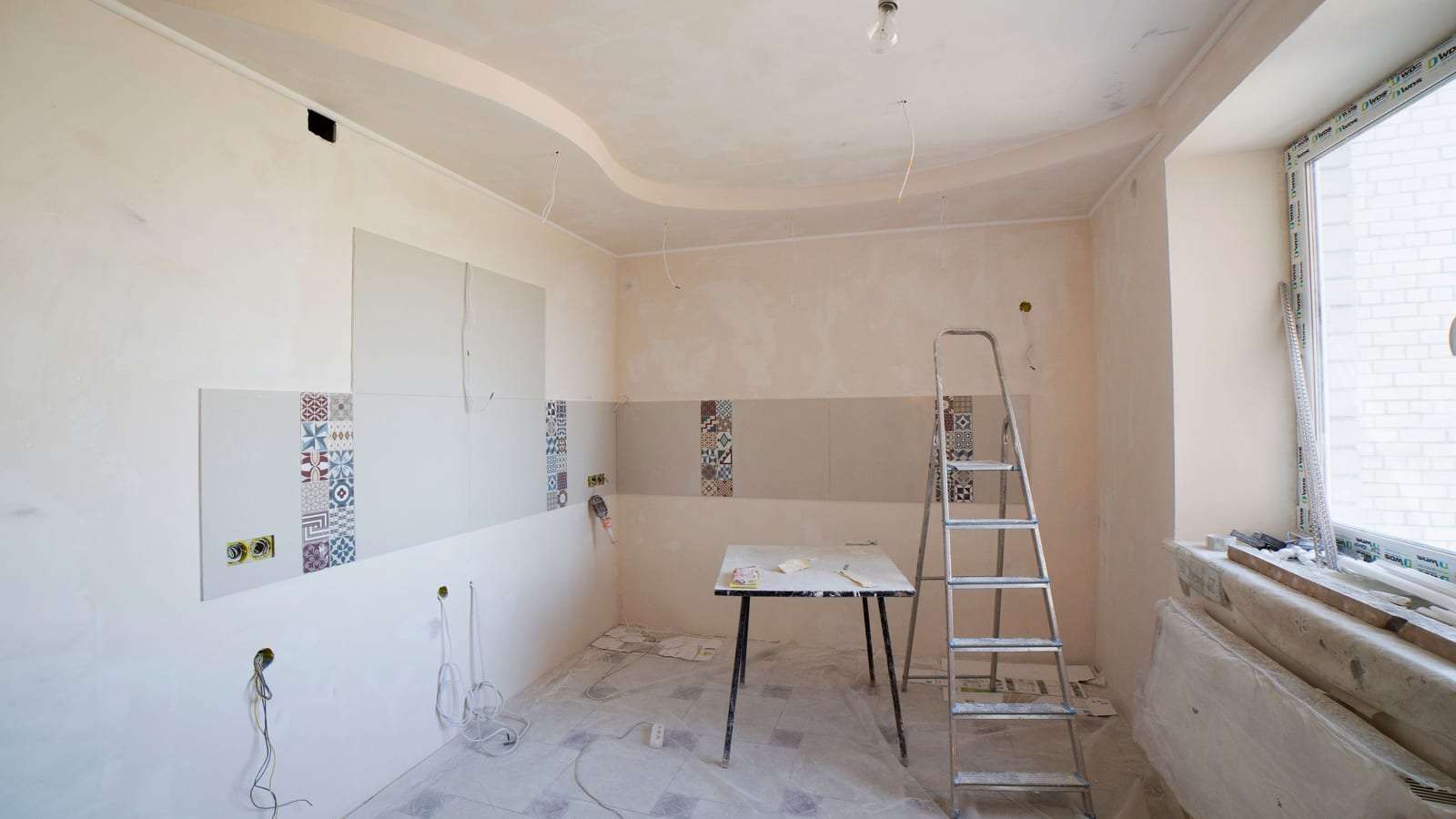
The gap between a cosmetic refresh and a full renovation is huge. A cosmetic refresh — paint, lighting, some floors — touches only the surface. A full renovation means stripping old finishes, renewing services and waterproofing, then entirely new finishes. Structural work adds an engineer, permits and heavier materials.
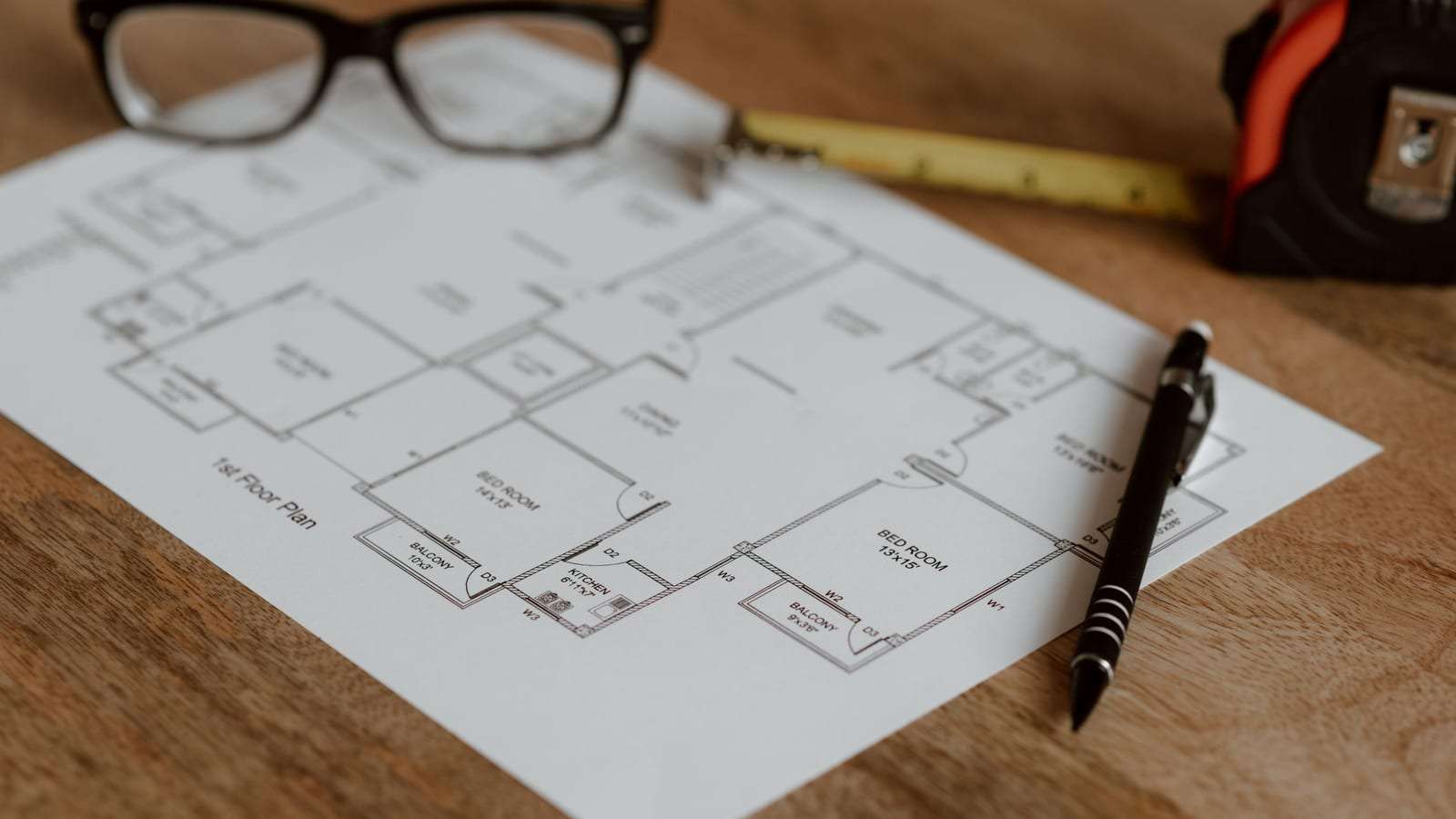
So the first thing to do before requesting quotes is define the scope clearly: which rooms, what work in each, and what stays as it is. A company that gets a clear description gives a more precise quote, and companies that get the same description give quotes you can compare.
The home’s condition and age
An older home hides surprises: corroded pipes behind the tiles, wiring that can’t carry modern appliances, failed roof waterproofing and damp walls. Each one adds work that wasn’t visible at the first visit. That’s why quotes vary so much for older homes — some companies allow for these risks, others don’t and then charge them later as extras.
The answer is to ask for a technical survey before pricing an older home, and to ask each company: what did you assume about the services and waterproofing? And what happens if something appears once things are opened up?
Area and the number of wet rooms
Area clearly affects the quantity of materials and labour, but not all square metres are equal. A square metre of bathroom or kitchen costs far more than one of bedroom, because it needs water and drainage, waterproofing, wall tiles and sanitaryware or cabinets.
So the number of bathrooms and kitchens affects cost more than many people expect. Our request form asks how many bathrooms you have for exactly this reason.
Finish level and materials
The finish level — standard, mid-range or luxury — changes the cost of the same job a great deal. Tiles, marble, cabinets, sanitaryware and lighting come in very different grades and prices. Even gypsum and paint vary with detailing, coats and final finish.
So ask every quote to name the material types and specifications, not general phrases such as “excellent materials” or “best quality”. The cheaper quote may be cheaper because it assumes lower-grade materials, not because the company is more efficient.
Think about who supplies materials: the company entirely, you, or a split. Supplying them yourself may give more control over choice, but makes you responsible for quantities, timing and delivery.
Hidden services: electrics and plumbing
Renewing services is one of the most expensive items in a renovation, because it means opening walls and floors and then reinstating them. It is also one of the most important: replacing pipes after new tiles means breaking the new tiles. Moving a kitchen or bathroom raises the cost considerably, because it needs new drainage and water runs with correct falls.
Main electrical work and gas must be done by qualified tradespeople — a part of the cost not worth saving on.
Design and permits
Interior design is an extra cost, but it reduces mistakes and changes during the work and makes quotes comparable. Designers price their work in different ways, so ask in writing before starting.
If the work needs a permit or an engineer — structural changes or a facade change — those fees and costs belong in the budget from the start.
Timing, season and location
Rushed work can cost more, because it needs a bigger crew or longer hours. Demand for companies rises in some seasons — the months before Ramadan, the holidays, or the seasons in some cities — so there’s less room to negotiate and longer waits.
Location matters too: access to the house, a lift in the building, where demolition waste goes, and how far the city is from sources of some materials. A family living in the house during the work may slow it and add protection and cleaning costs.
How to read a quote line by line
When quotes arrive, don’t compare the totals alone. For each quote, ask:
- What exactly is included? Strip-out and waste removal, services, waterproofing, materials, installation, final cleaning.
- What is excluded? Many of the differences between quotes hide in this list.
- Which materials and specifications? Type, grade and who supplies them.
- How is extra work priced? And does it need your written approval before it’s done?
- What is the payment schedule? Is it tied to completed stages?
- What are the duration and warranty? In writing, with what the warranty covers.
Read how to choose a renovation company and compare quotes for more questions.
All at once or in phases?
Splitting a renovation into phases spreads the cost over a longer time and lets you live in the house, but it may raise the final total a little, because the company returns to site several times and some protection, cleaning and set-up is repeated. Doing it all at once is faster and more efficient, but needs the budget ready and temporary accommodation.
If you choose phases, start with what protects the house and is hard to change later — waterproofing and main services — then move room by room, and ask the company to plan all the phases from the start so they fit together.
Build a budget with a safe margin
Once quotes are in and you’ve chosen, don’t make the agreed amount all you have. Keep a reserve for what appears after opening up — especially in older homes — and for small changes you may decide on during the work. A budget with no margin turns into pressure halfway through.
Set priorities so that if the budget tightens, you postpone what beautifies, not what protects the house. Waterproofing and services are hard to change later; decorative lighting and accessories can be added a year on.
FAQ
Why don’t you quote prices?
Because cost varies widely with the home, scope, materials and city, and any general figure could mislead. Written quotes for your own home are the real reference.
Why do quotes differ so much between companies?
Usually because of what each one includes, the materials it assumes and how it allows for surprises. Compare the lines, not the totals.
Is the cheapest quote always bad?
No — but ask why it’s cheaper: does it exclude something, assume lower-grade materials or leave items to be charged as extras?
How much reserve should I keep?
It depends on the home’s age and condition; older homes need a bigger margin. Discuss it with the company after the survey.
Does supplying materials myself reduce cost?
Sometimes, but it makes you responsible for quantities, quality and timing, and may affect the company’s warranty.
Can the price change after signing?
The contract should set out what happens with extra work, and any increase should need your written approval.
This guide is general information, not engineering or legal advice. Any structural change needs a qualified engineer and a municipal permit, and electrical, plumbing and gas work must be done by qualified, licensed technicians.