New finishing or refresh
Apartment finishing and refinishing: a clear plan from day one
You’ve been handed a new flat without finishes and want it ready to live in, or you’ve lived in a flat for years and want to refresh it: newer floors, calm colours, better lighting, and a kitchen and bathrooms that no longer feel dated. Either way, a flat is a limited space where every decision shows.
With SaudiRenovation you describe the flat, its size and the scope once, and your request reaches finishing companies in your city who contact you with offers.
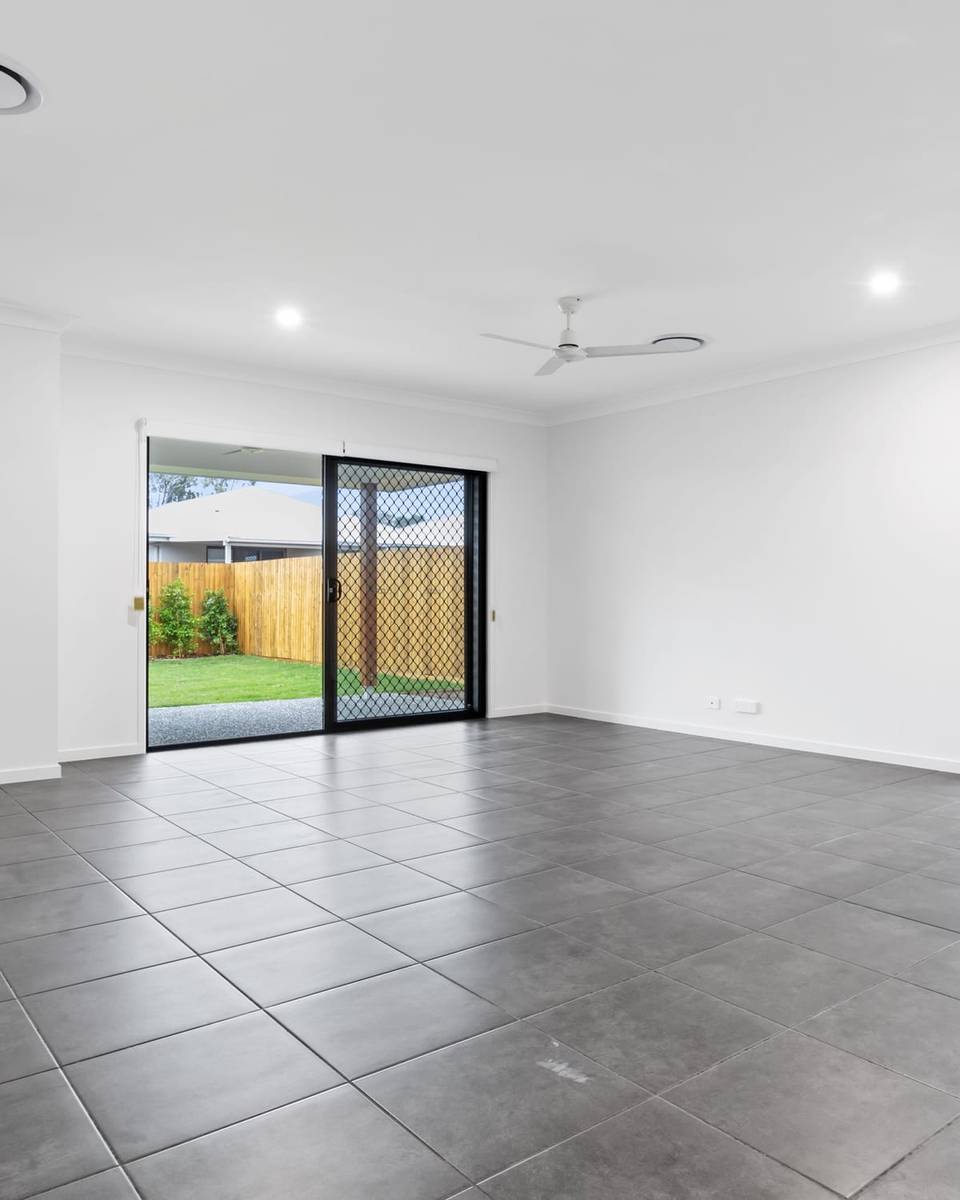
What does apartment finishing include?
Finishing is a sequence of works, each with its right moment. What gets buried in walls and floors comes first; what you see comes last:
Technical work
Power, lighting and socket points, and water and drainage runs in the kitchen and bathrooms.
Walls and ceilings
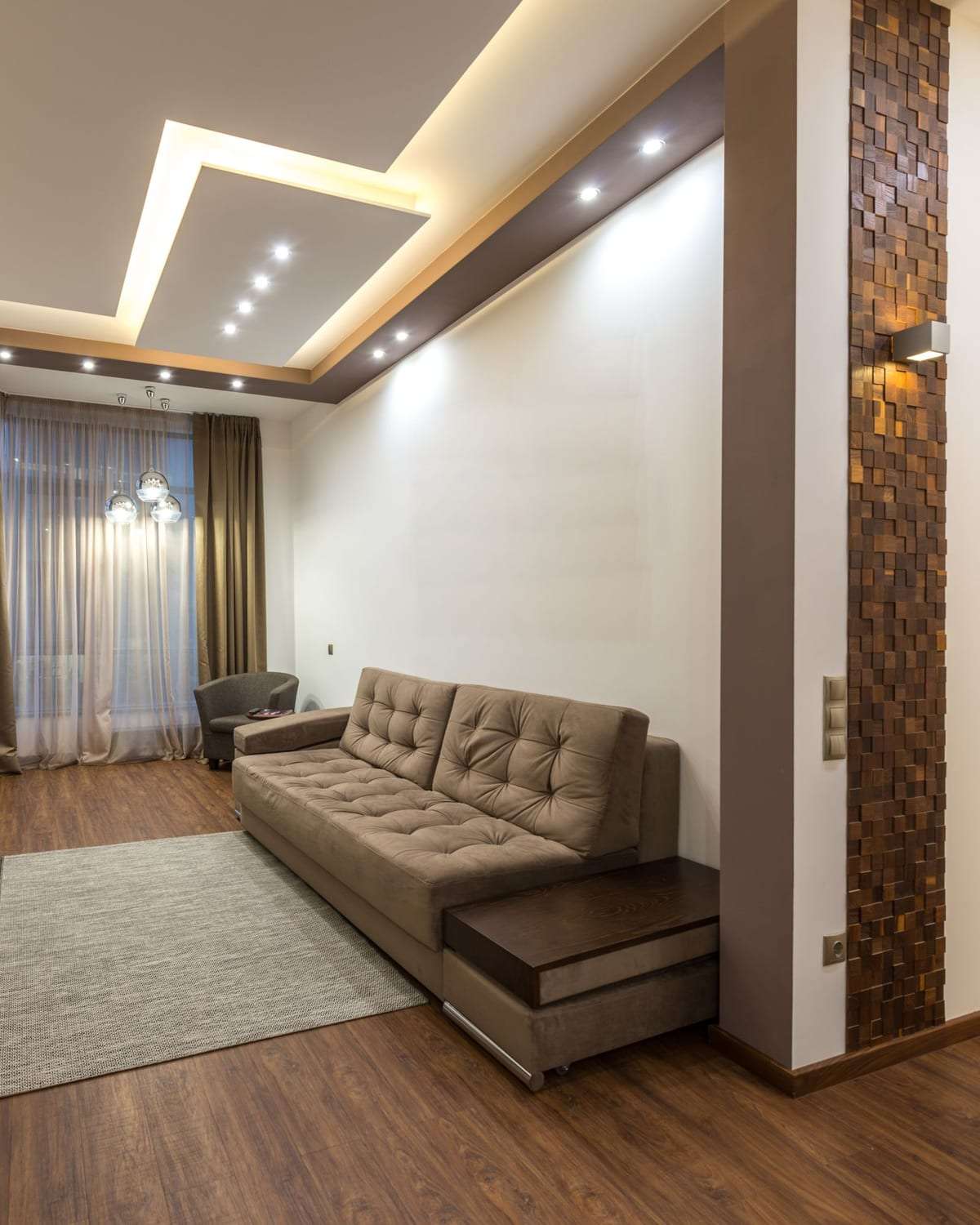
Plaster or surface treatment, gypsum board and hidden lighting, then paint.
Floors
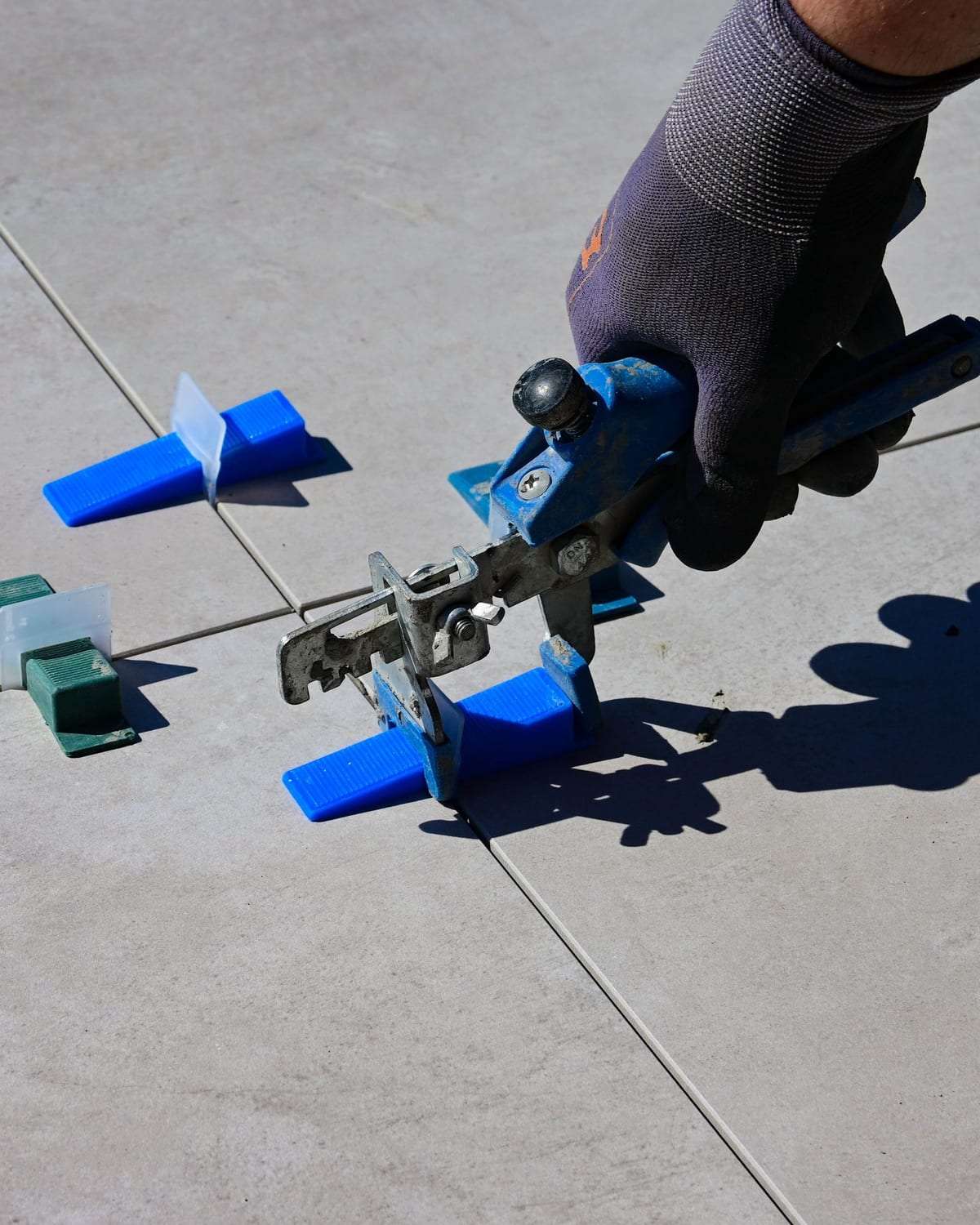
Tiles, porcelain or parquet with skirting, door thresholds and transitions.
Bathrooms and kitchen
Waterproofing, tiles and sanitaryware, cabinets and worktops — as agreed.
Finishing usually doesn’t include furniture, appliances or curtains unless they’re in the offer. In apartment buildings, shared areas and the facade aren’t the flat owner’s responsibility alone.
When should you refresh your flat?
A lived-in flat shows its age in the details: cracked tiles or blackened grout, faded paint, too few sockets for today’s appliances, and damp around the bathroom floor. If you plan to let or sell, a well-planned refresh makes the flat more appealing.
With a new flat, planning before finishing saves a great deal: where will the TV go and need a socket? Where are the bed and the bedside lights? These questions are settled before plastering, not after.
Either way, think about how your family lives, not only about pictures: do you need more storage? Will the children’s room become a study in a few years? Does the kitchen need more worktop? A flat finished around the people who live in it stays comfortable for longer.
Finishing options for flats
In limited spaces, light colours and floors that run continuously between rooms make a flat feel larger, and hidden lighting in gypsum adds depth without crowding the ceiling. Porcelain is practical in living rooms and kitchens, and parquet brings warmth to bedrooms — with care for humidity in coastal cities.
A standard, medium or luxury finish isn’t a trade name but the grade of materials and the precision of the work. Ask for the specification of each item in writing, not a vague phrase like “super deluxe finishing”.
In the bathrooms and kitchen, don’t economise on what you can’t see: waterproofing under the tiles, correct drainage falls and good pipework. Fixing a leak after finishing means breaking new tiles — far more expensive than doing it right first time. Read about bathroom renovation.
The usual sequence
- Survey and planning
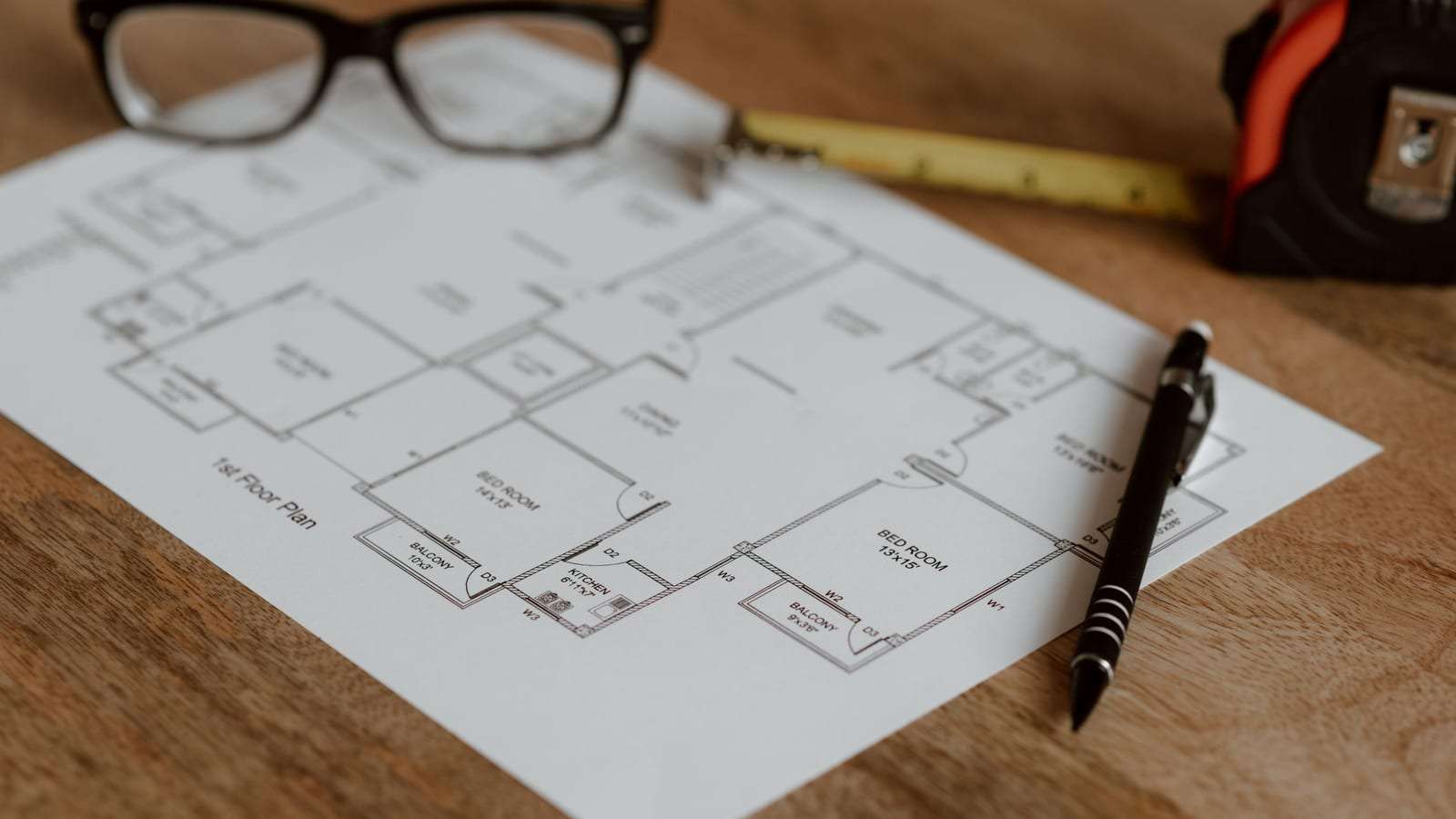
Measuring, and fixing the positions of power, lighting and furniture.
- Technical work
Electrical and plumbing runs, and waterproofing in the bathrooms and kitchen.
- Gypsum and walls
Ceilings and hidden lighting, then preparing the walls.
- Floors and paint
Tiles or parquet, then the final coats of paint.
- Fittings and handover
Doors, lights and sanitaryware, then the handover walk-through.
Refreshing a flat while you live in it
In a lived-in flat it’s hard to separate rooms, so plan the work in phases: one or two rooms at a time, an empty room for your belongings, and priority for the kitchen and bathroom so they aren’t out of use for long.
Agree working hours, waste storage and use of the lift with the building management and neighbours; it avoids disputes and speeds the work up.
An empty new flat is quicker and easier to work in, but visit regularly during the job: check point positions before plastering, bathroom falls before tiling, and colours on the wall before the final coat. A comment at the right moment costs almost nothing.
Questions before you sign
- Is the offer broken down by item, area and specification?
- Are materials included, and who chooses the colours and tiles?
- How long is each stage, and the whole job?
- Are payments tied to completed stages?
- What warranty covers tiles, paint and services?
- Who removes the waste and cleans the flat before handover?
Warning signs
- Vague phrases instead of specifications: “excellent finishing” with no details.
- Refusing to visit the flat before quoting.
- A payment schedule that runs ahead of the work done.
- Ignoring waterproofing in the bathrooms and kitchen.
What drives the cost of finishing?
- The size of the flat and the number of rooms and bathrooms.
- Whether it’s a new flat or a refresh that means stripping out the old.
- The finishing level and the type of floors, gypsum and paint.
- How much electrical and plumbing work is needed.
- The bathrooms and kitchen and what the offer covers there.
- The timeline, and working in an occupied flat.
We don’t list prices. Read the renovation cost guide and compare written offers with the same specification.
Questions about apartment finishing
Do I need a design to finish a flat?
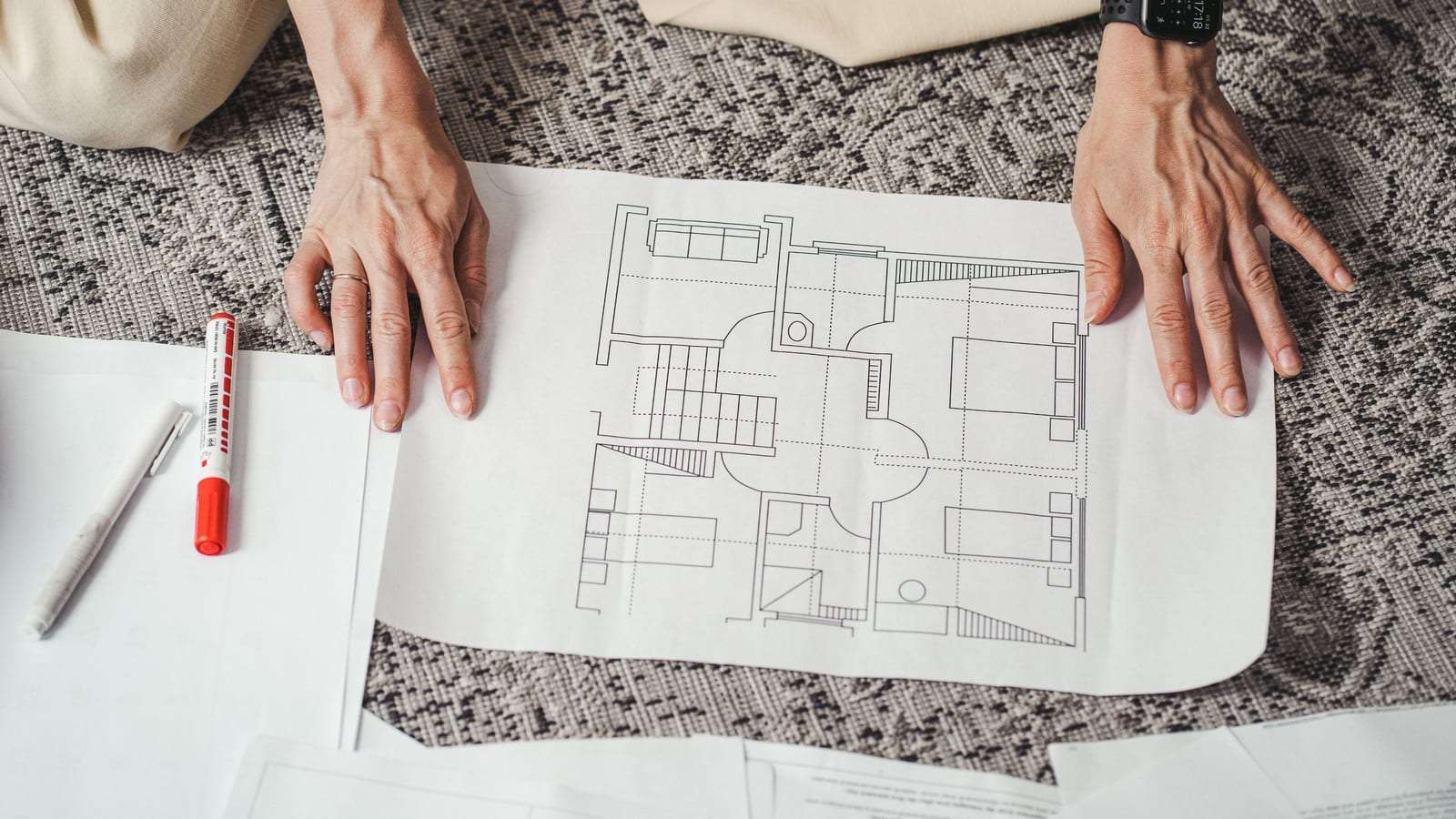
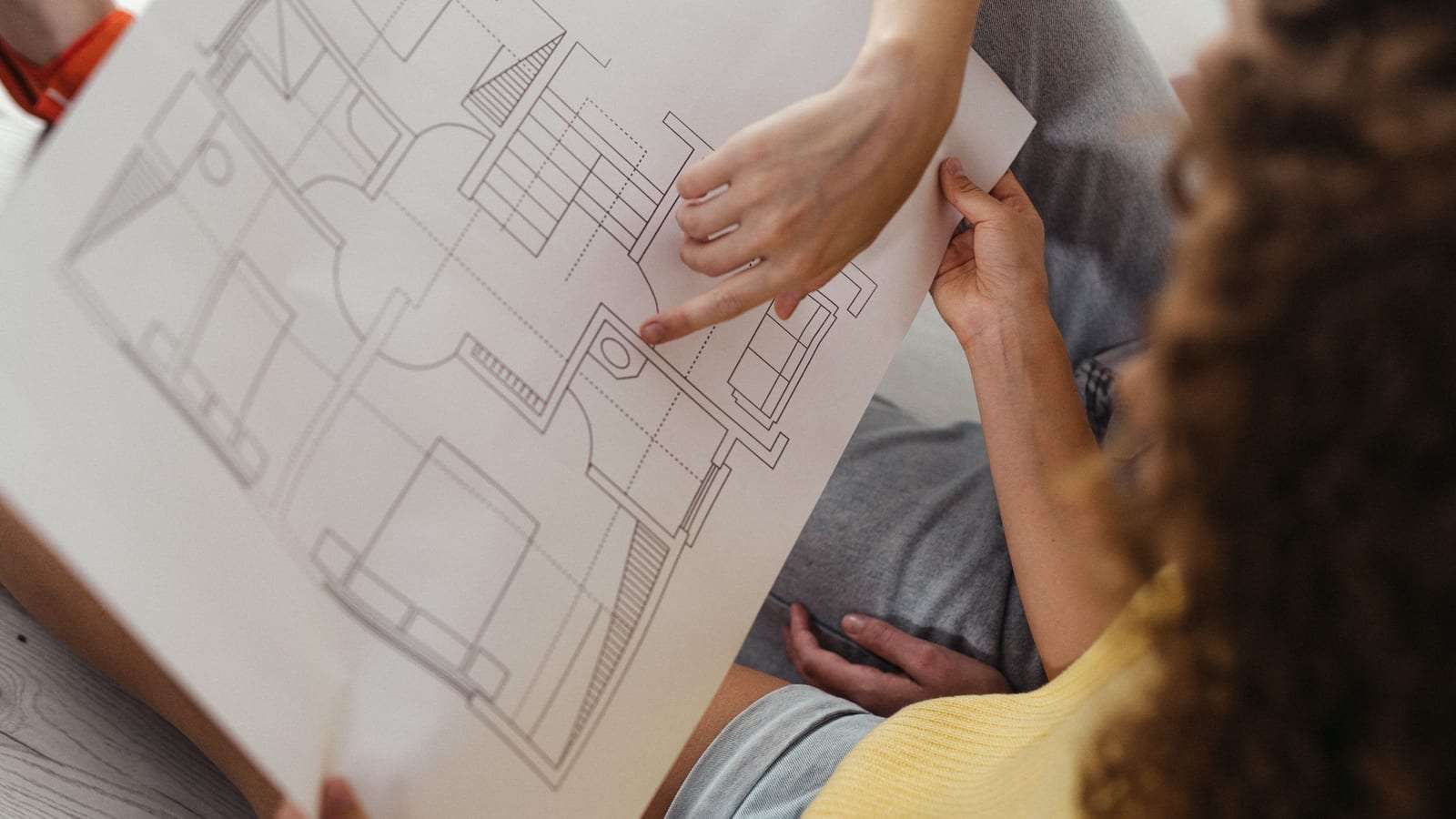
Not always, but a simple plan of power points, lighting and furniture prevents many changes. For larger flats an interior designer can help.
Can I choose the materials myself?
Yes — supply can be by you, the company or shared. Make it clear in the request and the contract.
Can a flat be refreshed without removing the old tiles?
Sometimes, depending on the tiles’ condition, floor levels and the doors. Ask the company after the site visit.
Do I need the building management’s approval?
It usually helps to inform them, especially about working hours, the lift, waste and any work touching shared parts.
Can the room layout of a flat be changed?
Moving light partitions is usually possible; load-bearing walls or anything touching the structure need an engineer and approval. In apartment buildings changes may also affect shared parts.
What’s the difference between standard and luxury finishing?
The grade of materials, the precision of the work and details such as lighting, gypsum and doors. What matters most is that the specification is written in the offer.
How long does finishing a flat take?
It depends on the size, scope and materials. Ask for a written timeline.

Request offers to finish your flat
Describe the flat and the scope, and let finishing companies contact you.