Safety first
Electrical and plumbing upgrades: the foundation of every safe renovation
Services are the part of a home you don’t see, but they decide its safety and comfort every day. A house built twenty or thirty years ago had its circuits designed for far fewer appliances than we use today, and its pipes may be starting to show rust, leaks or weak pressure.
This isn’t work for guesswork: it must be done by qualified, licensed technicians and follow the Saudi Building Code. With SaudiRenovation you describe what you need, and your request reaches electrical, plumbing and renovation companies in your city who contact you with offers.
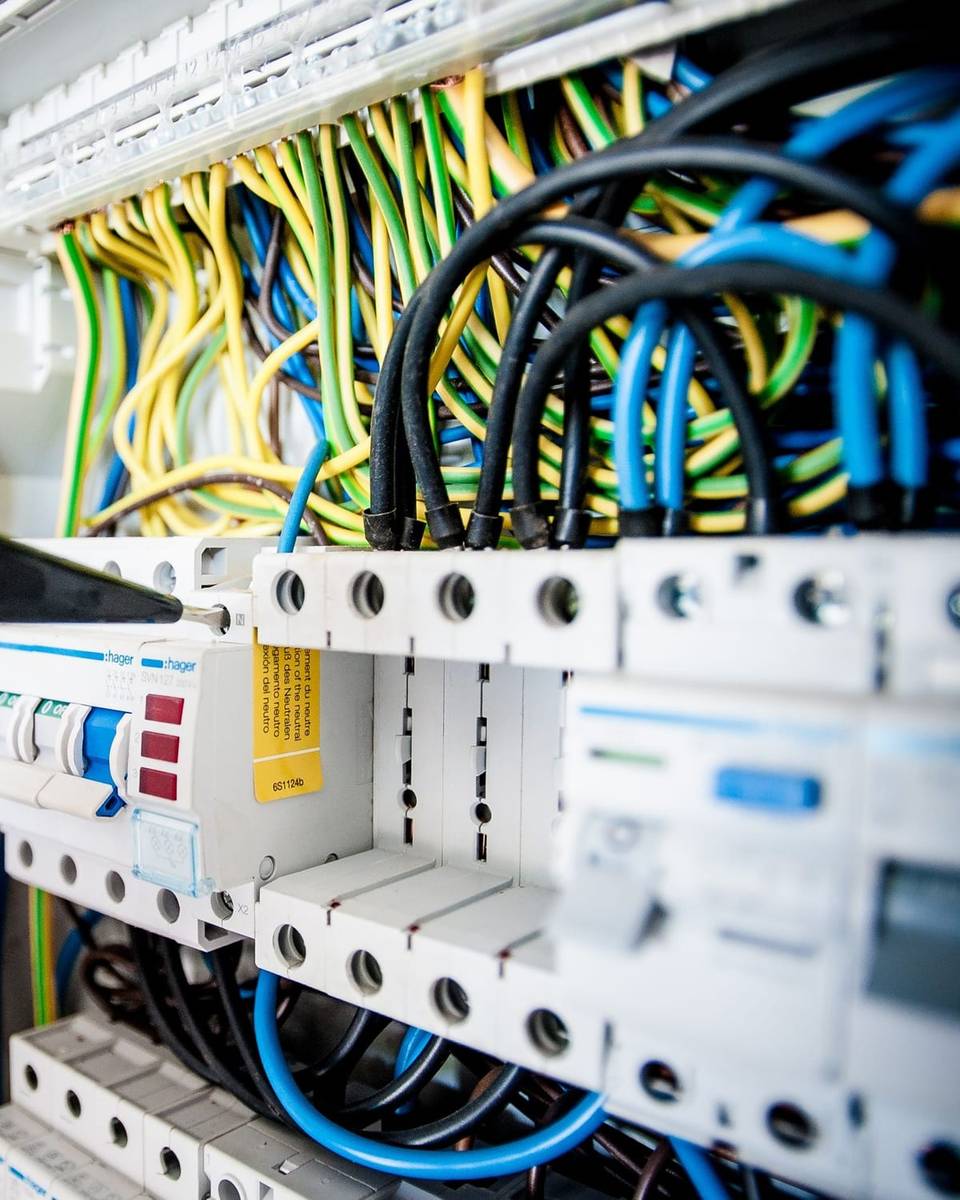
What does an upgrade include?
The scope ranges from adding points in one room to rewiring and replumbing the whole house, but usually includes:
Electrics
A modern consumer unit with breakers and residual-current protection, new circuits for the kitchen and AC, and enough sockets and lights.
Earthing and protection
Checking and improving earthing, and suitable protection in bathrooms, kitchens and wet areas.
Water supply
Replacing old pipes, improving pressure, and separate isolation valves for maintenance.
Drainage and heaters
Drains with correct falls, and water heaters installed safely.
The offer usually doesn’t include reinstating tiles, gypsum and paint opened to run the services unless stated. Gas lines are separate work for a licensed gas specialist only.
When do your services need upgrading?
Breakers that trip when several appliances run, sockets and switches that get warm, buzz or smell, lights that dim when the AC starts, or constant reliance on extension leads. These are signs of overloaded circuits — not just a nuisance but a fire risk that should be checked quickly.
In plumbing: rusty-coloured water from the tap, weak pressure upstairs, repeated leaks in different places, or drain smells. In older homes pipes may have reached the end of their life, so fixing one point after another costs more than replacing the whole run.
The best time to upgrade is before any finishing work, because services run through walls and floors, and changing them after finishing means breaking again.
Upgrade options in general
In electrics, loads are split across separate circuits: one for each large AC unit, circuits for the kitchen and for lighting, with breakers and residual-current protection in wet areas. Plan extra points for modern appliances, charging and internet, and for hidden lighting if you’re adding gypsum ceilings.
In plumbing, modern pipes resist rust and heat better than old metal ones, with separate valves for each bathroom and the kitchen so maintenance doesn’t cut water to the whole house. Ask about insulating hot-water pipes, and the position and ventilation of heaters.
We don’t name brands — what matters is that materials meet approved specifications and that a qualified technician installs them and gives you a drawing of what was done, with every line and valve.
The usual sequence
- Inspection
Checking the board, circuits, earthing, pipes and pressure.
- Plan and offer
A plan of circuits, points and lines, and a detailed written offer.
- Installation
Running new lines and replacing the board and pipes.
- Testing
Testing circuits, insulation and earthing, and pressure-testing pipes.
- Closing up and handover
Reinstating what was opened and handing over an as-built drawing.
Working while you live at home
Much of the work can be phased with the family at home, but power or water will be off for hours on some days. Agree outage times with the company in advance and look after the fridge and sensitive devices.
Never let anyone work on live circuits, and don’t open the board yourself. Keep children away from work areas and exposed wires until everything is closed.
Afterwards, keep the drawing and photos of the walls before closing, and know where the main water valve and main breaker are — information the family needs in any emergency.
Questions to ask the company
- Who will do the work, and are they qualified and licensed?
- Will you provide a drawing of the circuits and lines installed?
- Does the work include replacing the board and earthing?
- How will you test the electrics and pipes before closing up?
- Is reinstating tiles, gypsum and paint included?
- What warranty covers materials and workmanship?
- Will you allow for the loads of current and future AC units and heaters?
Warning signs
- A worker who can’t show qualification for electrical work.
- Adding sockets to old circuits without checking the loads.
- Working on live circuits.
- Closing walls before testing.
What drives the cost of an upgrade?
- The size of the house and the number of rooms and bathrooms.
- A partial upgrade or a full rewire and replumb.
- The condition of the existing board, earthing and pipes.
- The number of new points and circuits.
- Reinstating finishes after running the services.
We don’t list prices. Ask for written offers that state the scope, materials, testing and who does the work.
Questions about electrics and plumbing
Do I need a licensed technician to add a socket?
Any work on the wiring should be done by a qualified technician, for safety.
Can electrics be upgraded without much breaking?
Sometimes existing conduits can be used, but a full upgrade usually means opening walls.
When should I replace all the pipes?
When leaks keep recurring, rust appears or pressure is weak in many places.
Is moving gas part of plumbing?
No — gas lines are only for a licensed gas specialist.
Should I upgrade services before finishes?
Always — so you don’t break new finishes later.
Do I need a new board if I add an AC unit?
An extra AC unit often needs its own circuit and a suitable breaker, so ask the technician to check the board’s capacity and the wiring before installation.
How long does an upgrade take?
It depends on the scope and the size of the house. Ask for a written timeline.
Related services
Helpful guides

Request electrical and plumbing offers
Describe what you need, and let specialist companies contact you.