Thermal insulation vs waterproofing
Thermal insulation reduces heat passing from the hot roof to the inside in summer, and reduces heat loss on cold winter nights in cities such as Tabuk, Abha and Riyadh. Waterproofing stops water getting through — from rain, roof washing, AC condensate or water tanks.
The two are often confused, and one is done without the other. It’s best to plan them together as one system, because thermal insulation that gets soaked loses much of its value, and waterproofing left exposed to the sun without protection fails sooner.
Signs your roof needs work
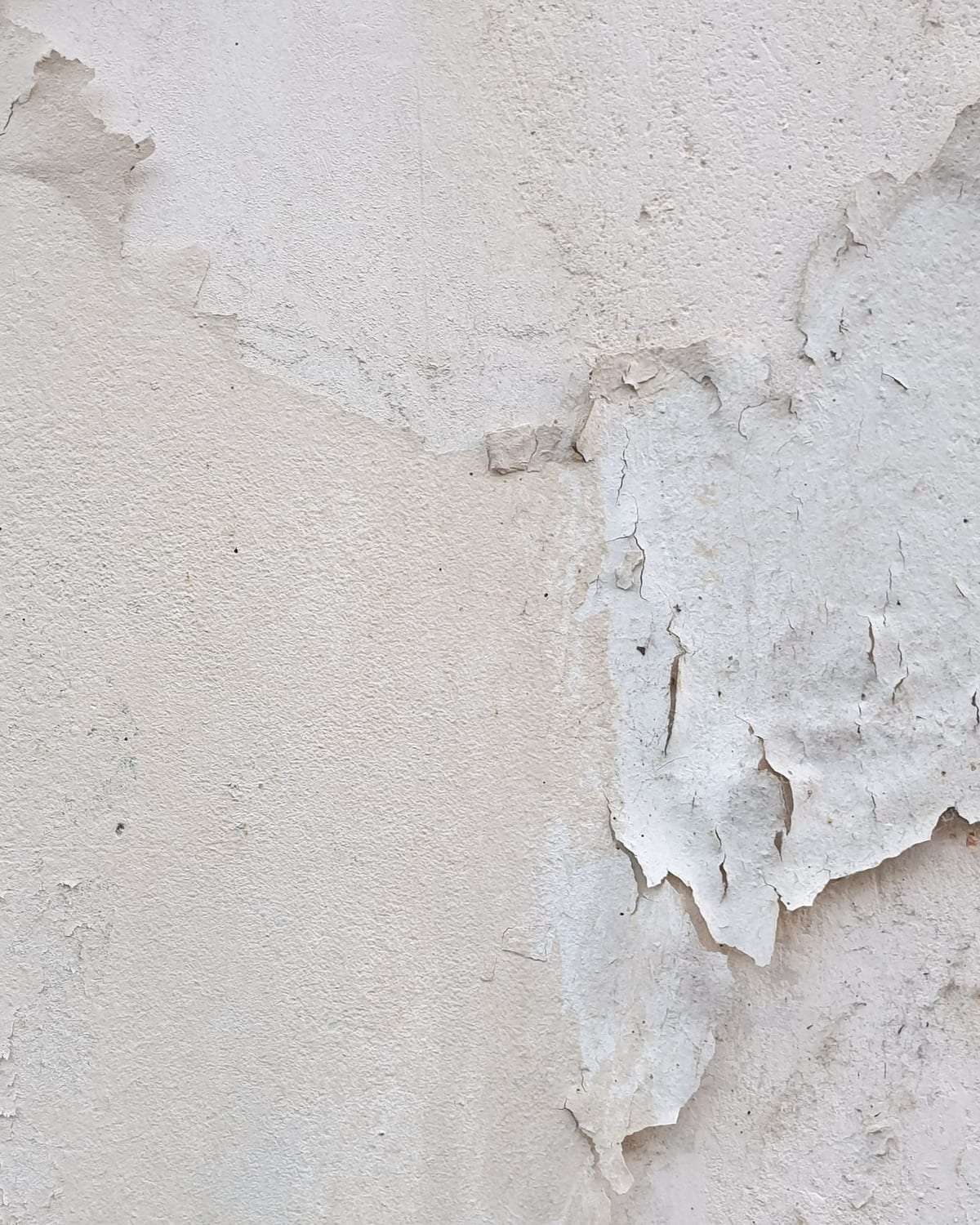
- Damp stains or peeling on the top-floor ceiling, especially after rain or roof washing.
- Top-floor rooms much hotter than lower floors, with AC that runs without cooling the room properly.
- Water standing on the roof after rain instead of reaching the drains.
- Cracks in the roof surface, or blistering or peeling in the old waterproofing.
- Leaks around AC bases, water tanks or drain outlets.
- Waterproofing many years old with no maintenance.
The roof layers in order
Systems differ between companies, but the general order in many of them looks like this:
- Preparation
Remove failed layers, clean the roof and repair cracks.
- Falls
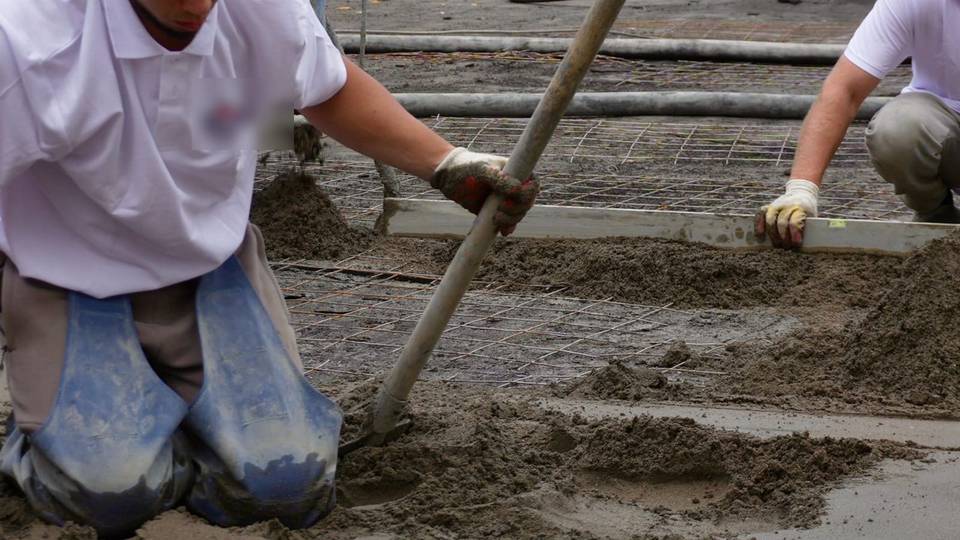
A screed that gives the roof a correct fall to the drains so water doesn’t stand.
- Waterproofing
A layer that stops leaks, carried up the roof walls and carefully detailed around drains and openings.
- Water test
Flood the roof for long enough and confirm there’s no leak.
- Thermal insulation
Boards or a layer that reduces heat transfer.
- Protection and finish
A layer that protects the insulation from sun and foot traffic, such as tiles or a suitable topping.
In some systems the order of thermal insulation and waterproofing differs, so ask the company about its order and why.
Falls and drains: the secret of a dry roof
The best waterproofing in the world suffers if water sits on it for days. Correct falls to the drains matter as much as the waterproofing material itself. Ask for water to run across the whole roof to the drains without pooling in corners or around AC units.
Make sure there are enough drains of adequate size, that they aren’t blocked, and that the waterproofing runs tightly into them. Clear the drains before the rainy season each year — a drain blocked by dust and leaves turns the roof into a pond.
The details where water gets in
Most leaks don’t come from the middle of the roof but from the details: the joint between roof and wall, around AC and tank bases, around pipes coming through the roof, at drain outlets and at movement joints. Ask the company how it treats each one.
The waterproofing must rise up the roof walls to a suitable height, with its top edge protected so water can’t get behind it. AC and tank bases are best installed in a way that doesn’t pierce the waterproofing, or the penetrations carefully detailed.
The water test: don’t give it up
After the waterproofing is laid and before it’s covered, the roof is flooded for long enough and the ceiling below is checked for any leak. This test is the only way to confirm the waterproofing is sound before it disappears under the other layers.
Ask for the test to be written into the quote and contract, to attend it or see photos, and for the next layers not to go on until it passes. A company that skips or rushes the test leaves you a risk you won’t discover until the first rain.
A roof that gets used
In many homes the roof is used: a family sitting area on winter evenings, laundry and drying, or a place for AC units, tanks and solar panels. Each use adds load on the waterproofing — regular foot traffic, furniture and tank legs can damage the protection layer and then the waterproofing beneath.
So tell the company how you use the roof before it proposes a system, so it can choose a protection layer that copes, and plan AC and tank positions so they don’t pierce the waterproofing.
When to insulate the roof
Most waterproofing materials need suitable conditions to cure and bond well; extreme midsummer heat, high humidity in coastal cities, or rain can all affect the work. So the milder months, before or after summer, suit most cities.
If work must happen in summer, ask the company about working hours — some work is done early in the morning or in the evening. Plan roof work before the rainy season in cities that get heavy rain.
Questions to ask the company
- Which system do you propose, and what are its layers in order?
- Will you remove the old waterproofing or go over it? Why?
- How will you handle falls, drains, AC bases and corners?
- How high will the waterproofing rise on the roof walls?
- Does the quote include a water test, and for how long?
- What protection layer goes over the insulation?
- What warranty covers the waterproofing — duration and coverage, in writing?
After the work: maintenance
Good waterproofing lasts for years but needs simple care: clear the drains before the rainy season, avoid fixing anything new on the roof that pierces the waterproofing without treatment, watch for new ceiling stains, and check the roof after every heavy rain.
If you install a new AC unit or tank, ask the installer to protect the waterproofing beneath it, or call the waterproofing company to treat the fixing points. Read the signs of hidden leaks.
FAQ
Does thermal insulation lower the electricity bill?
It eases the AC load on the top floor; the effect varies with the house, the insulation and the state of windows and walls.
Should the old waterproofing be removed?
If it’s failed, blistered or leaking, removal is usually better. Ask the company why it proposes what it does.
How long does roof insulation take?
It depends on area, system, curing and testing. Ask for a written timeline per stage.
Is a waterproof coating over the old roof enough?
It can be a temporary fix in some cases, but it doesn’t correct wrong falls or failed waterproofing beneath.
When should I clear the drains?
At least once a year before the rainy season, and after dust storms.
Can I insulate the roof of a flat in a building?
The roof is usually a shared part, so it needs coordinating with the landlord or owners’ association.
What warranty is appropriate?
It varies between companies and systems — get it in writing with its duration and coverage.
This guide is general information, not engineering or legal advice. Any structural change needs a qualified engineer and a municipal permit, and electrical, plumbing and gas work must be done by qualified, licensed technicians.